Glossary

What is Central Board of Direct Taxes?

Central Board of Direct Taxes is the apex policy-making body for direct taxes in India, functioning under the Department of Revenue, Ministry of Finance. It administers laws related to income tax, wealth tax. And other direct taxes, ensures tax compliance. And oversees the functioning of the Income Tax Department across the country.

Reviewed by Gaurav MaheshwariSources reviewed: Income Tax Department, Government of India, Ministry of Finance, Government of India

Quick Facts About Central Board of Direct Taxes

Category

Government regulatory body

Used for

Administering direct tax laws in India

Common confusion

Often confused with state tax authorities

Also called

CBDT

Often discussed with

Income Tax Notice Response & Resolution, Tax Planning & Advisory

Key Takeaways About Central Board of Direct Taxes

Understanding Central Board of Direct Taxes
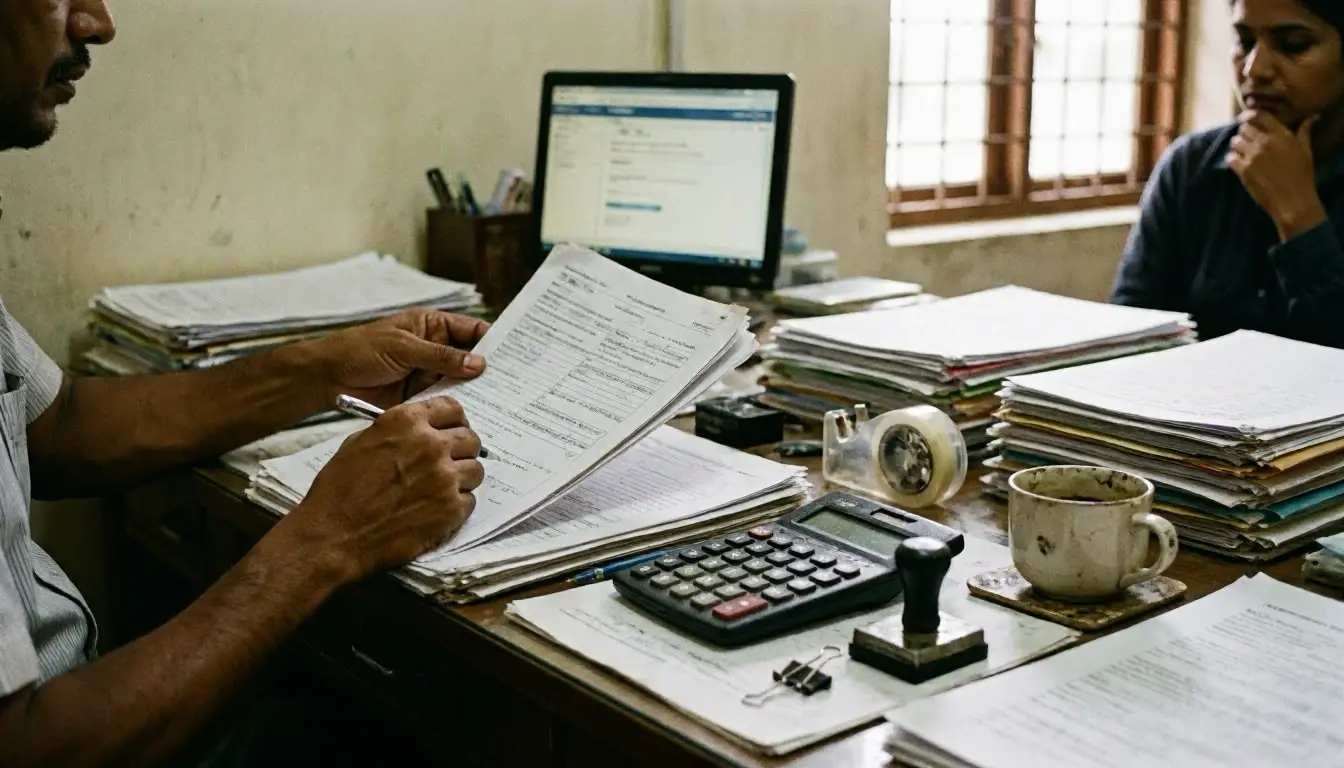
Central Board of Direct Taxes in ITR Filing: Central Board of Direct Taxes is the apex policy-making body for direct—visua...

The Central Board of Direct Taxes is called CBDT. It is the top group for taxes in India.

Related glossary terms: Income Tax Slab, Tax Deducted at Source, Form 26AS.

CBDT works under the Department of Revenue. This is part of the Ministry of Finance.

Its main job is to make tax rules. It also makes sure people follow them.

CBDT handles taxes like income tax. It also handles wealth tax and capital gains tax (tax on profits from sales).

It works with the Income Tax Department. Together, they collect taxes across India.

The CBDT has a chairman. It also has members who know a lot about taxes.

These members help write tax rules. They also give advice and solve tax problems.

CBDT helps with global tax deals. It makes sure India's tax laws match other countries.

Its choices affect how people file taxes. They also change how much tax you pay.

CBDT decides what tax breaks you can get.

How Central Board of Direct Taxes Works?

CBDT has a clear structure. The chairman and members make tax rules.

They write circulars (official notes). These notes explain tax laws.

They help people understand the rules. They also help tax officers.

For example, CBDT explains new tax breaks. It says who can use them.

It tells how much you can claim. It also says how to do it.

CBDT watches over the Income Tax Department. This group collects taxes.

It does audits (checks on tax records). It also helps with tax problems.

CBDT sets goals for tax collection. It checks if the department meets them.

It works with other groups. They stop people from hiding money.

For example, CBDT shares data with banks. This tracks big money moves.

CBDT makes forms for taxes. People use these to file taxes.

Form 16 is for workers. Form 26AS shows tax credits.

CBDT updates these forms. This keeps them correct.

Changes in tax laws need new forms. CBDT makes sure people have them.

Why Central Board of Direct Taxes Matters?

How Central Board of Direct Taxes applies to ITR Filing services in India, India—practical illustration

CBDT helps India's economy. It makes sure taxes are fair.

Direct taxes like income tax help the country. They pay for schools and roads.

Clear rules from CBDT help people. They know what to do.

This stops people from cheating. It helps the country grow.

CBDT's choices affect money plans. They change how much tax you pay.

New tax slabs (tax rates) can change. So can tax breaks.

CBDT tells people about changes. They can plan their money.

It also solves tax fights. It makes rules clear.

This helps people avoid legal trouble.

When Central Board of Direct Taxes Matters Most?

CBDT is important at key times. This is when people file taxes.

It helps with tax refunds. It also helps with tax notices.

Its rules say what papers you need. They tell how to figure tax.

For example, a notice under Section 143(1) comes. CBDT says how to answer.

It tells what proof you need.

For businesses, CBDT helps a lot. It checks tax records.

It looks at transfer pricing (prices between company parts). It checks if rules are followed.

CBDT decides on tax breaks. It says how to report foreign deals.

It sets fines for breaking rules. During the budget, it gives advice.

This shapes new tax laws.

Businesses must watch CBDT's notes. Its circulars solve fights.

They help taxpayers and officers agree. This makes sure things are fair.

How to Evaluate Central Board of Direct Taxes?

Related Concepts Compared

Central Board of Direct Taxes vs. Income Tax Department

The Income Tax Department enforces tax laws and collects taxes. While CBDT formulates policies and oversees the department’s work.

Central Board of Direct Taxes vs. Ministry of Finance

The Ministry of Finance oversees all financial policies, including taxes. While CBDT focuses specifically on direct taxes.

Expert Note

CBDT’s circulars and notifications are legally binding and override conflicting interpretations of tax laws. Always cross-check these with the Income Tax Act to avoid compliance risks.

Common Mistakes or Myths About Central Board of Direct Taxes

  • Assuming state tax authorities issue direct tax rules instead of CBDT.
  • Ignoring CBDT circulars and relying only on outdated tax laws.
  • Confusing CBDT’s role with that of the GST Council, which handles indirect taxes.
  • Believing that CBDT’s policies apply only to businesses, not individuals.

Central Board of Direct Taxes in Practice: A Real-World Example

In 2023, the Central Board of Direct Taxes issued a notification allowing senior citizens to file income tax returns without penalties for delayed filing. This change helped many elderly taxpayers comply with tax laws without facing fines.

Sources & Further Reading on Central Board of Direct Taxes

  • Income Tax Department, Government of India
  • Ministry of Finance, Government of India
  • Income Tax Act, 1961

Related Services

Related Terms

Income Tax Slab

Income Tax Slab is income Tax Slabs are predefined ranges of annual income set by the Indian government. Each slab has a specific tax rate that applies to the income falling within that range. These slabs help determine how much tax an individual or entity must pay based on their total taxable income for a financial year.

Tax Deducted at Source

Tax Deducted at Source is a method where income tax is collected at the source of income itself, rather than later when filing returns. The payer deducts a fixed percentage from payments like salary, rent.

Form 26AS

Form 26AS is an annual consolidated tax statement issued by the Income Tax Department of India. Form 26AS shows details of tax deducted at source (TDS), tax collected at source (TCS), advance tax paid, self-assessment tax. And refunds received during a financial year for a taxpayer’s Permanent Account Number (PAN).

CBDT

CBDT is the Central Board of Direct Taxes, a statutory authority under India’s Ministry of Finance. CBDT oversees the administration of direct taxes like income tax, corporate tax. And wealth tax, ensuring compliance, policy implementation. And dispute resolution for taxpayers and tax authorities across India.

Taxable Income

Taxable Income is the portion of an individual’s or business’s total earnings that's subject to income tax under Indian tax laws. It includes salary, business profits, rental income, capital gains. And other sources, minus eligible deductions like Section 80C investments, house rent allowance. Or professional expenses. Taxable Income determines the tax liability for a financial year.

ITRFiling.org.in

Have Questions About Central Board of Direct Taxes?

Contact ITRFiling.org.in for practical guidance on Central Board of Direct Taxes and related itr filing work in India.