Understanding Notice under Section 148

A Notice under Section 148 is sent by the Income Tax Department. They send it when they think you didn't report all your income.
This means they suspect you missed some income. Or you reported less than you earned. They call this "escaped assessment."
This notice starts a process. It's called reassessment. They will check your income again. They will also check your tax for that year.
This notice is not like other tax letters. It's not a refund notice. It's only sent after the officer gets approval.
The officer must write why they think income was missed. The notice tells you the year they're checking. It also gives a deadline to reply.
You usually have 30 days to respond. Count from the day you get the notice.
How Notice under Section 148 Works?
If you get this notice, you must act. First, file a revised return for that year. If you didn't file before, file now.
You may need to give more papers. These can be bank statements. Or you may need to explain where your money came from.
The officer will check your new return. They will also check any extra papers you send. If they're happy, they'll finish the reassessment.
If not, they may ask more questions. Or they may change your tax. This can mean you owe more money.
If you did underreport, you may pay extra tax. You may also pay interest or penalties.
Here's what usually happens next:
- The Income Tax Department sends the notice.
- You file a new return or explain things.
- The officer checks what you sent.
- They finish the reassessment if all is well.
- If you owe more tax, pay it on time.
Why Notice under Section 148 Matters?
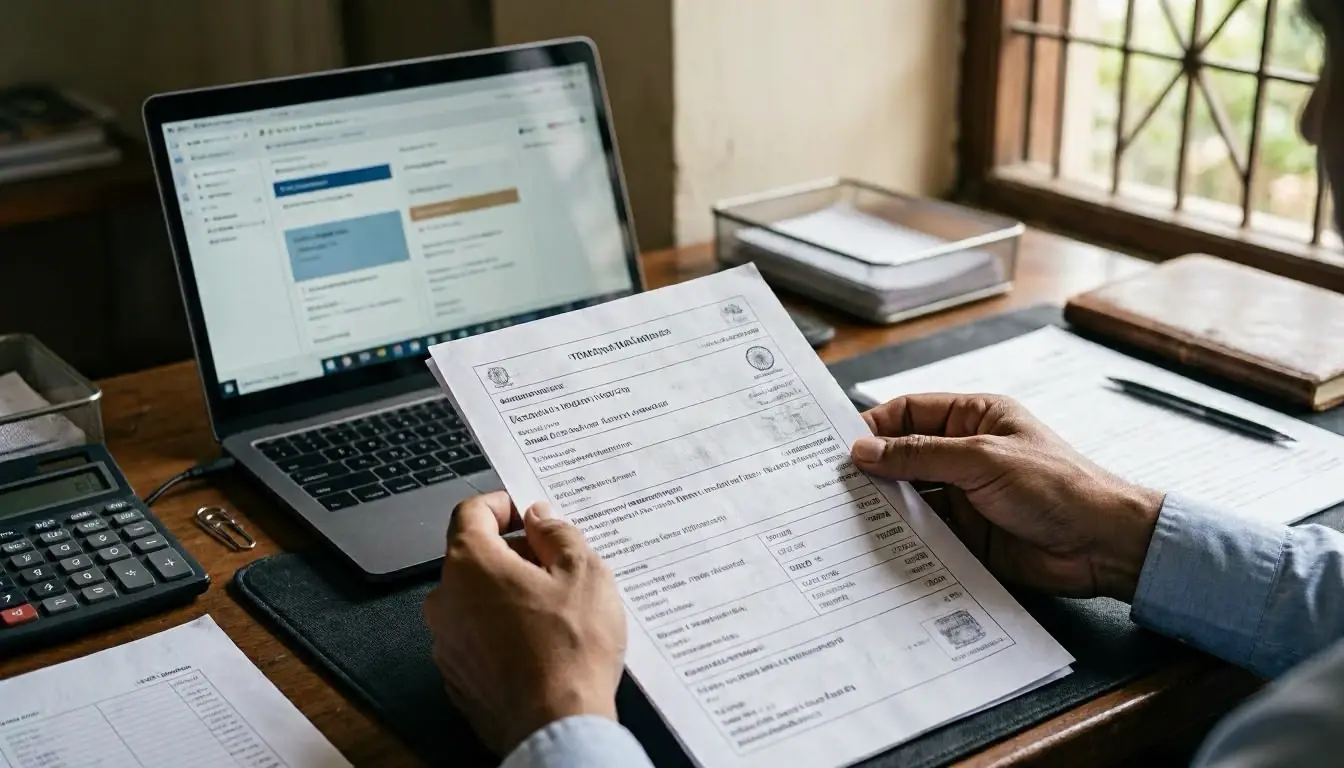
This notice helps the government. It makes sure everyone pays the right tax. For you, it's a chance to fix mistakes.
You can correct what you missed before. But if you ignore it, you'll get in trouble. You may pay fines or interest.
In bad cases, you could face legal action. So always reply fast and right.
This keeps things clear and fair. It also keeps your tax record clean.
When Notice under Section 148 Matters Most?
This notice is very important in some cases:
- When your ITR doesn't match other tax papers. These papers can be Form 26AS or AIS.
- When you didn't file a return. But you had income that should be taxed.
- When you have big cash deposits. Or you made investments that don't match your income.
- When banks or others tell the tax department about your money. They say you didn't report it.
- When the department picks you for a check. This can be random or for other reasons.
In these cases, the notice warns you. Fix your mistakes before they act. This notice helps keep taxes fair for everyone.