Understanding Tax Collected at Source
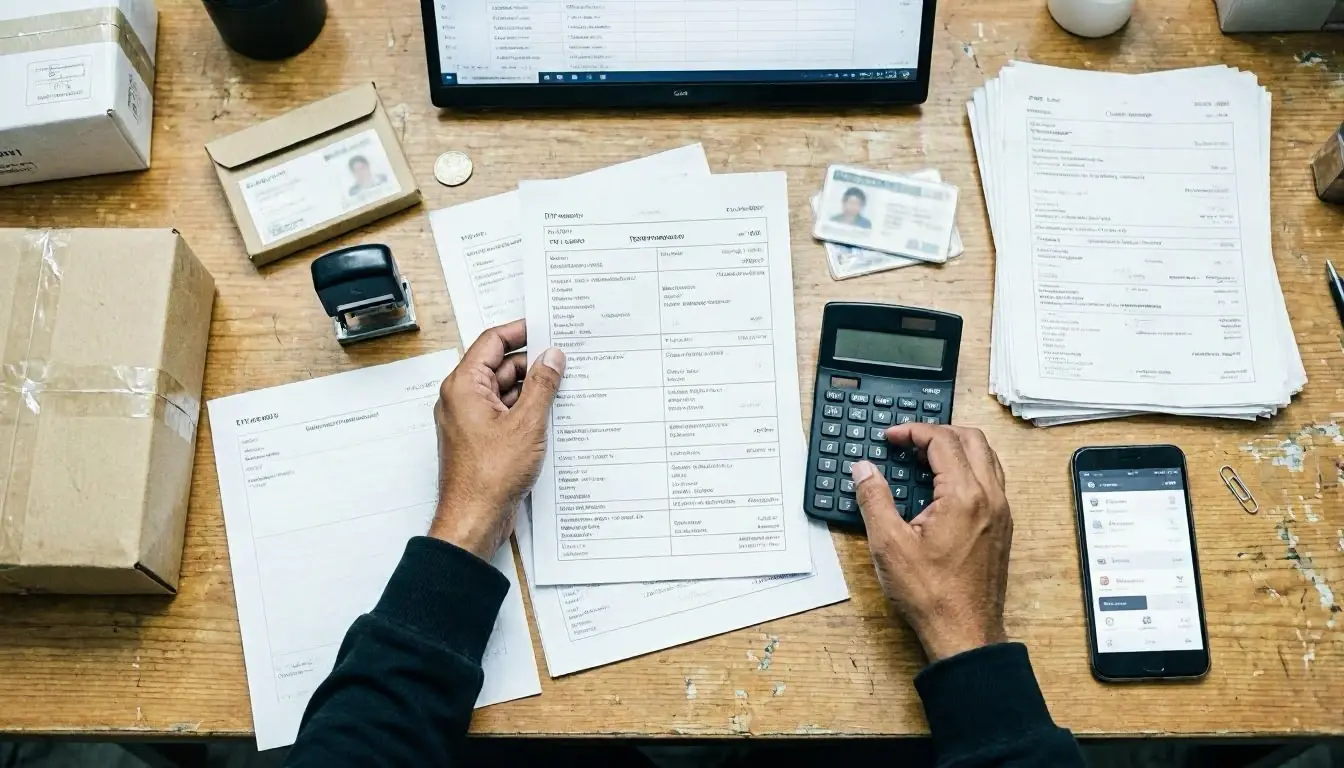
TCS is a tax. Sellers collect it from buyers. This happens at the point of sale.
TCS stands for Tax Collected at Source. It is under the Income Tax Act, 1961. It works differently than TDS (Tax Deducted at Source).
TDS is taken from payments. TCS is collected on sales. It applies to certain goods or services.
The seller collects the tax. They must give it to the government. They have to do this on time.
TCS helps collect tax early. It stops some sales from going unreported. It applies to a set list of goods and services.
These include cars, scrap. And minerals. It also includes money sent abroad under LRS (Liberalised Remittance Scheme).
The TCS rate changes. It depends on what is sold. It also depends on who buys it.
How Tax Collected at Source Works?
When a seller sells goods, they collect TCS. They take it from the buyer at sale time. Then they give a TCS certificate (Form 27D) to the buyer.
This form shows the tax amount. The seller must give the tax to the government. They have seven days after the month ends.
Sellers also file a TCS return (Form 27EQ). They file it every three months. This goes to the Income Tax Department.
The buyer sees the TCS in Form 26AS. This is a tax statement. They can use this amount when they file taxes.
It lowers their total tax bill. For example, a car costs ₹10 lakh. The TCS rate is 1%. The seller takes ₹10,000 as TCS.
This ₹10,000 shows in Form 26AS. The buyer can use it to pay less tax.
- Goods with TCS: Cars, scrap, minerals, tendu leaves, and timber.
- Services with TCS: Money sent abroad under LRS (over ₹7 lakh). Cars sold for over ₹10 lakh.
- TCS rates: They range from 0.1% to 5%. It depends on the sale.
Why Tax Collected at Source Matters?

TCS helps the government. It makes sure more people pay taxes. It also stops people from hiding sales.
Tax is taken at the sale. This lowers the chance of cheating. Buyers see the tax in Form 26AS.
They can claim it back. This means they pay less tax later.
Sellers must follow TCS rules. If they don’t, they face penalties. They may pay fines or face legal trouble.
Following TCS rules is good. It helps the business look honest. It shows they follow tax laws.
When Tax Collected at Source Matters Most?
TCS matters in these cases:
- Big purchases: Buying cars, jewelry, or expensive items may need TCS.
- Sending money abroad: TCS may apply to money sent under LRS.
- Business sales: Sellers of scrap, minerals, or timber must collect TCS.
- Filing taxes: Buyers check Form 26AS. They claim TCS to pay less tax.
- Business checks: Companies keep TCS records. They avoid trouble during audits.
People and businesses need to know TCS. If they don’t, they may pay too much tax. They might miss the TCS credit.
Sellers must collect TCS. They must give it to the government on time. This avoids legal problems.