Understanding Tax Rebate
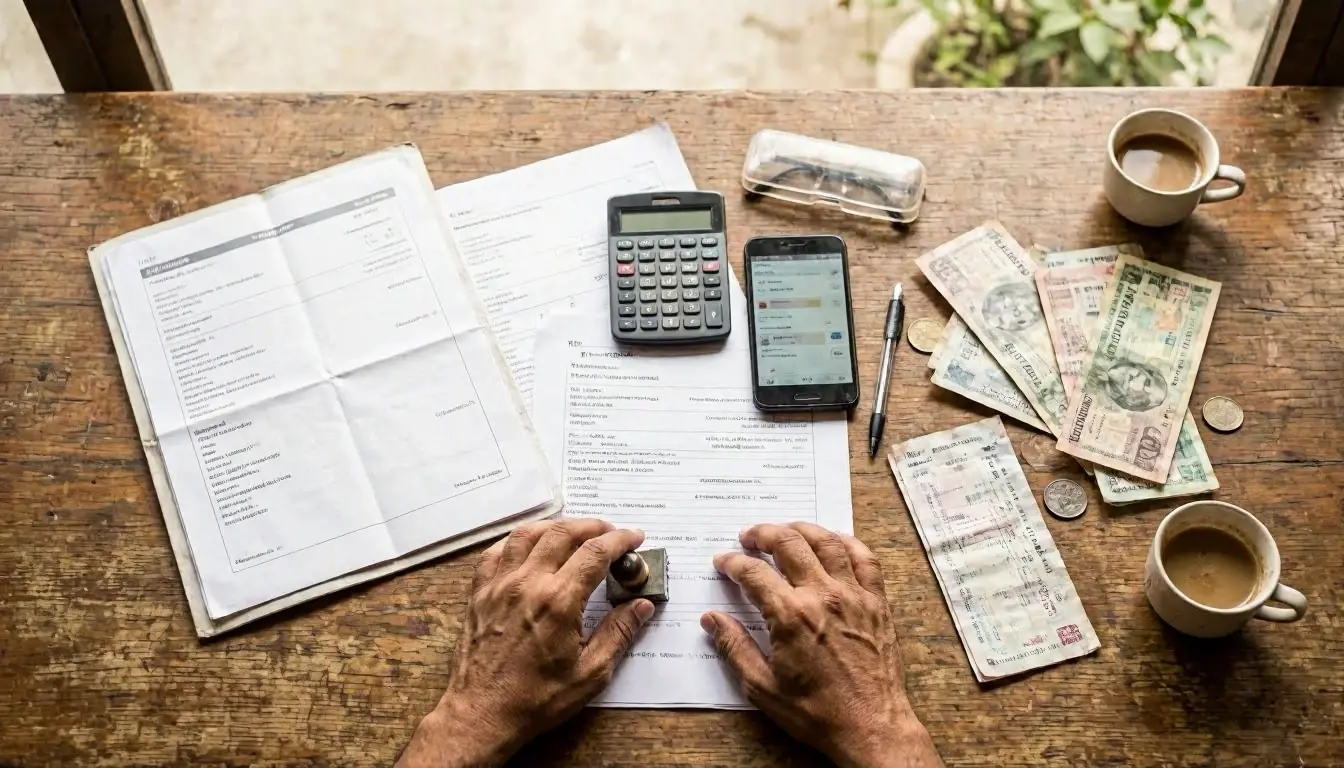
Tax Rebate is a financial benefit provided by the government to reduce the income tax burden of eligible taxpayers. It directly lowers the amount of tax you owe, unlike deductions, which reduce your taxable income. For example, if your tax liability is ₹10,000 and you qualify for a rebate of ₹12,500, you'll owe no tax. Rebates are designed to provide relief to specific groups, such as low-income earners, senior citizens. Or other targeted categories.
Related glossary terms: Income Tax Slab, Tax Exemption, Deduction under Section 80C.
In India, tax rebates are governed by the Income Tax Act, 1961. And are typically announced during the annual Union Budget. The most commonly known rebate is under Section 87A, which offers relief to individual taxpayers whose total income doesn't exceed a specified limit. Rebates are not automatic; taxpayers must claim them while filing their income tax returns (ITR).
How Tax Rebate Works?
Tax Rebate works by reducing the final tax payable after all deductions, exemptions. And calculations have been applied. Here’s how it typically works:
- Eligibility Check: The taxpayer must meet specific criteria, such as income limits or residency status, to qualify for the rebate.
- Tax Calculation: The taxpayer calculates their total taxable income and applies the relevant tax slab rates to determine their tax liability.
- Rebate Application: If eligible, the rebate amount is subtracted directly from the tax liability. For instance, under Section 87A (as of Assessment Year 2024-25), a rebate of up to ₹12,500 is available for individuals with a total income of up to ₹5,00,000.
- Final Tax Payable: After applying the rebate, the remaining tax liability is paid. If the rebate covers the entire liability, no tax is payable.
It’s important to note that rebates can't result in a refund. If your tax liability is lower than the rebate amount, the excess rebate is not refundable. For example, if your tax liability is ₹5,000 and the rebate is ₹12,500, you will pay ₹0 in tax. But you won't receive the remaining ₹7,500 as a refund.
Why Tax Rebate Matters?

Tax Rebate matters because it provides immediate financial relief to taxpayers, particularly those in lower income brackets. By reducing the tax liability, rebates help individuals retain more of their earnings, which can be used for savings, investments. Or daily expenses. This is especially beneficial for low-income earners, senior citizens. And other vulnerable groups who may struggle with financial constraints.
And rebates encourage compliance with tax laws. When taxpayers see direct benefits, such as lower tax liabilities, they're more likely to file their returns accurately and on time. Rebates also help reduce the administrative burden on the Income Tax Department by minimizing refund claims, as rebates are applied directly to the tax payable rather than issued as refunds.
When Tax Rebate Matters Most?
Tax Rebate becomes particularly important in the following situations:
- Low-Income Earners: Individuals whose total income is just above or below the taxable threshold can benefit significantly from rebates, as they may reduce their tax liability to zero.
- First-Time Taxpayers: New taxpayers, such as fresh graduates or young professionals, may qualify for rebates if their income falls within the eligible limit.
- Senior Citizens: Rebates targeted at senior citizens can provide relief to those with limited income sources, such as pensions or savings.
- Tax Planning: Taxpayers can plan their investments and expenses to stay within the rebate eligibility limits, ensuring they get the most from their tax savings.
- Filing Income Tax Returns: Rebates must be claimed while filing the ITR. Missing the claim can result in paying higher taxes than necessary.
Tax Rebate is also relevant during periods of economic downturn or inflation, when the government may introduce temporary rebates to provide relief to taxpayers. Keeping track of changes in rebate limits and eligibility criteria during the annual budget announcements is crucial for maximizing tax savings.