Understanding TDS
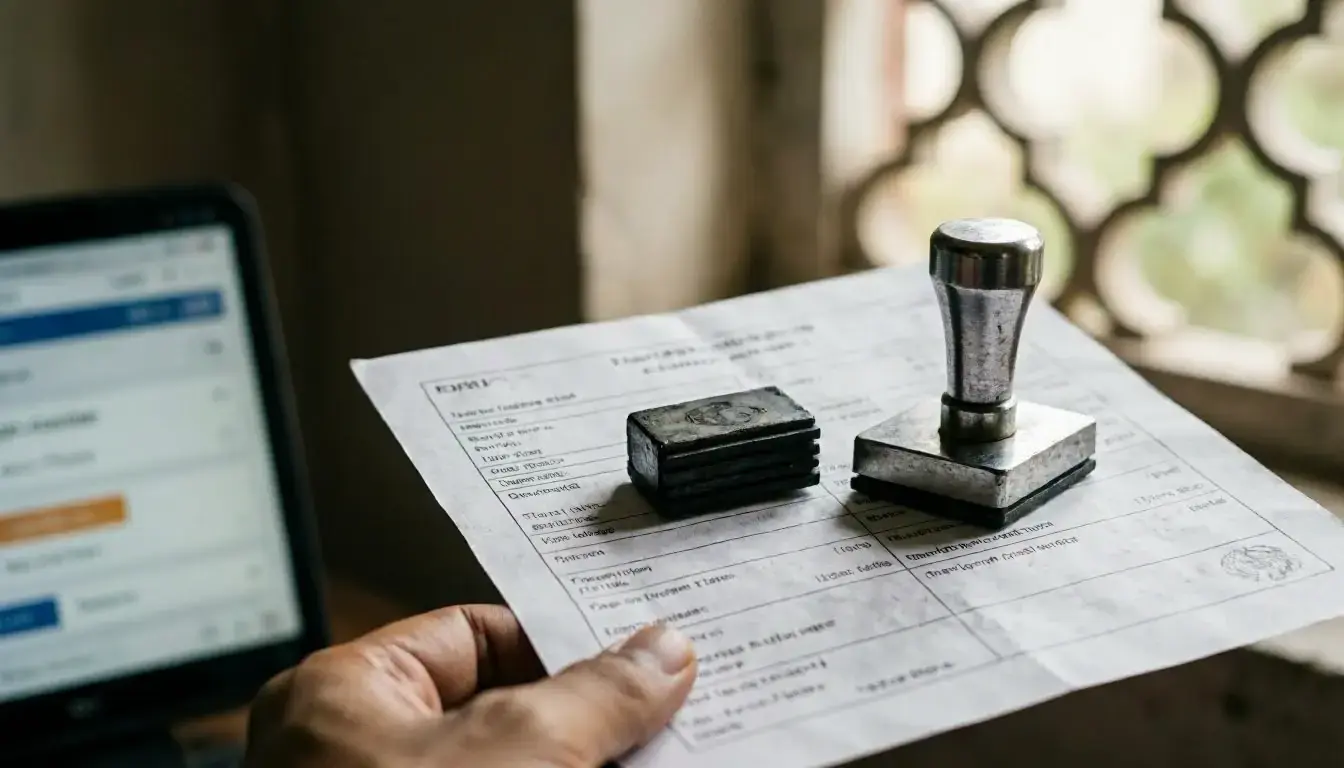
TDS means Tax Deducted at Source. It's a tax system in India. The tax department uses it to collect tax early.
The payer takes out tax before paying. They send this tax to the government. This stops people from avoiding taxes.
It also helps the government get money all year. This happens instead of waiting for tax season.
TDS applies to many types of money. This includes salaries and bank interest. It also covers rent, fees. And commissions.
The Income Tax Act sets the rules. It says how much tax to take. It also says when to take it.
For example, bosses take TDS from paychecks. They use the worker's tax bracket. Banks take TDS on interest over a limit.
How TDS Works?
When someone pays money, they check the TDS rate. They figure out how much tax to take. Then they take that tax from the payment.
They send the tax to the government. They do this on time. The person getting paid gets the rest.
The payer gives a TDS certificate. This is like Form 16 or Form 16A. It shows how much tax was taken.
Here's an example. A company pays a consultant ₹1,00,000. The TDS rate is 10%. The company takes ₹10,000 as tax.
The consultant gets ₹90,000. The company sends ₹10,000 to the government. The consultant can use this tax later.
Why TDS Matters?

TDS helps with taxes. It makes paying taxes easier. People pay little by little all year.
This is better than one big payment. TDS also helps the government. It shows where money comes from.
It stops people from hiding income. For those getting paid, TDS is good. They pay tax early.
This means no late fees. TDS makes taxes simpler for everyone. People and businesses both benefit.
Tax is already taken out. So you just report what's left. You can use the TDS as credit.
This makes filing taxes easier. It also means fewer mistakes. Everyone can follow the rules better.
When TDS Matters Most?
TDS matters in these cases:
- Getting a salary: Bosses take TDS from paychecks.
- Earning bank interest: Banks take TDS on interest over ₹40,000.
- Renting out property: Renters take TDS on rent over ₹2,40,000 a year.
- Getting fees or commissions: Clients take TDS before paying.
- Selling property: Buyers take 1% TDS on sales over ₹50 lakhs.
Not doing TDS right causes problems. The payer can get fines or interest. They might even face legal trouble.
Those getting paid must check their TDS certificates. They need them to get tax credit. This helps when filing taxes.