Glossary

What is Income Tax Department?

Income Tax Department is the government agency responsible for administering and enforcing income tax laws in India. It collects taxes from individuals and businesses, processes income tax returns, conducts audits. And ensures compliance with the Income Tax Act, 1961. The department operates under the Ministry of Finance and plays a key role in funding public services and national development.

Reviewed by Gaurav Maheshwari

Quick Facts About Income Tax Department

Category

Government tax authority

Used for

Tax collection, compliance. And enforcement

Common confusion

Often mistaken for GST or customs authorities

Also called

ITD, Income Tax Authority

Often discussed with

ITR Filing for Salaried Individual, Income Tax Notice Response & Resolution

Key Takeaways About Income Tax Department

Understanding Income Tax Department
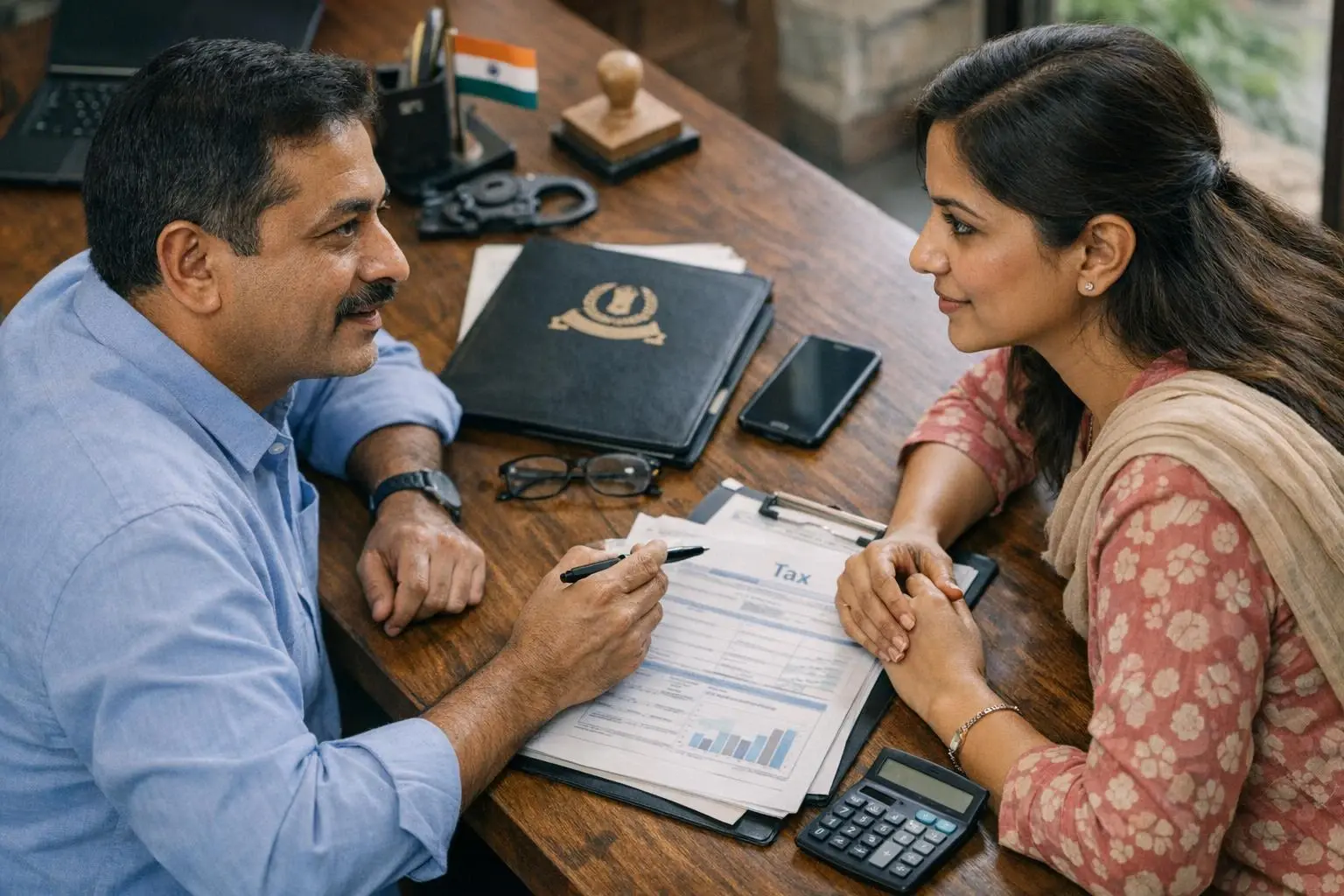
Income Tax Department in ITR Filing: Income Tax Department is the government agency responsible for administering and enfo...

The Income Tax Department handles tax laws in India. It makes sure people and businesses pay taxes. They must follow the Income Tax Act from 1961.

Related glossary terms: Income Tax Act 1961, Form 26AS, TDS.

This department checks tax bills. It processes tax returns. It also stops people from cheating on taxes. It helps taxpayers with rules and online tools.

The department works through many offices. It has tax centers and special teams. One team is the Central Processing Centre (CPC). Another is the Directorate of Investigation.

It does more than collect taxes. It helps shape economic rules. It spots trends in tax payments. This helps leaders make better money choices.

How Income Tax Department Works?

The department has clear steps to handle taxes:

  • Tax Collection: Taxes come in different ways. One way is Tax Deducted at Source (TDS). This means money is taken out before you get paid. Another way is advance tax. People pay this ahead of time. They also pay self-assessment tax.
  • Return Processing: People file tax returns (ITRs). They can do this online or on paper. The CPC in Bengaluru checks these returns. It makes sure they are right. Then it sends refunds.
  • Assessment and Audits: The department checks returns for mistakes. If it finds errors, it sends a notice. Notices can be under section 143(1) or 148. If someone might be cheating, the department looks into it.
  • Enforcement: The department can give fines. It can take people to court. It can even take their things. It handles fights about taxes. The Income Tax Appellate Tribunal (ITAT) helps with this.
  • Taxpayer Services: The department has websites. One is the e-Filing site. Another is TRACES. People can file returns there. They can check refunds. They can answer notices. The department also gives PAN (a tax ID) and TAN (a number for tax takers).

Why Income Tax Department Matters?

How Income Tax Department applies to ITR Filing services in India, India—practical illustration

The Income Tax Department helps India's economy. It makes sure the government gets money. This money pays for schools, roads. And hospitals.

Without taxes, the government would struggle. It might not have enough money. It could spend less on important things.

The department affects everyone who pays taxes. Filing right means you get refunds. It also means you avoid fines. The department checks for cheating. This keeps taxes fair.

Businesses and people need its help. They learn what they owe. They find out what they can save on taxes.

When Income Tax Department Matters Most?

This department matters in these cases:

  • Filing Income Tax Returns: If you earn enough, file a return. Do this by the due date. The department checks it. It sends refunds or asks for more tax.
  • Receiving Notices: The department may find mistakes. It sends a notice. Answer it fast. This avoids fines.
  • Tax Audits: Some businesses must get audits. The department checks these. It makes sure they follow tax rules.
  • Claiming Refunds: If you paid too much tax, ask for it back. The department sends it to your bank.
  • Disputes and Appeals: If you don't agree, you can appeal. The ITAT helps. The department explains its side.
  • Tax Deductions and Collections: Bosses take TDS from paychecks. They send it to the department. The department puts it in your tax record.

Many people file taxes from April to July. The department must work fast. If it doesn't, refunds get late. People might have problems. This hurts the economy.

How to Evaluate Income Tax Department?

Related Concepts Compared

Income Tax Department vs. Central Board of Direct Taxes (CBDT)

CBDT is the policy-making body that formulates tax laws and guidelines. While the Income Tax Department implements and enforces these laws.

Income Tax Department vs. Goods and Services Tax (GST) Network

GST Network administers indirect taxes like GST. While the Income Tax Department handles direct taxes like income tax.

Expert Note

The Income Tax Department’s digital initiatives, such as e-Filing and AIS (Annual Information Statement), have significantly improved transparency. However, taxpayers should regularly review their Form 26AS and AIS to avoid mismatches, which can trigger department notices.

Common Mistakes or Myths About Income Tax Department

  • Assuming the Income Tax Department only deals with direct taxes—it also administers TDS and TCS.
  • Ignoring department notices, which can lead to penalties or legal action.
  • Confusing the Income Tax Department with GST authorities, which handle indirect taxes.
  • Not linking PAN with Aadhaar, which can delay refunds or cause compliance issues.
  • Filing incorrect returns, which may trigger audits or demands for additional tax.

Income Tax Department in Practice: A Real-World Example

A salaried employee files their income tax return online through the Income Tax Department’s e-Filing portal. The department processes the return, matches the details with Form 26AS. And issues a refund if excess tax was paid. If the department finds discrepancies, it sends a notice under Section 143(1) asking for clarification.

Related Services

Related Terms

Income Tax Act 1961

Income Tax Act 1961 is the primary law in India that governs the levy, collection, administration. And enforcement of income tax. It defines taxable income, tax rates, exemptions, deductions. And procedures for filing returns, assessments. And appeals for individuals, businesses.

Form 26AS

Form 26AS is an annual consolidated tax statement issued by the Income Tax Department of India. It shows details of tax deducted at source (TDS), tax collected at source (TCS), advance tax paid, self-assessment tax. And high-value transactions linked to a taxpayer’s Permanent Account Number (PAN). Form 26AS helps verify tax credits before filing income tax returns.

TDS

TDS is a tax collection method where tax is deducted at the source of income before the recipient receives payment. TDS applies to salaries, interest, rent, professional fees. And other payments under the Income Tax Act, 1961. The deductor remits the tax to the government.

CPC

CPC is the Centralised Processing Centre of the Income Tax Department in India. CPC automates the handling of income tax returns, notices. And refunds without manual intervention, ensuring faster processing, fewer errors.

Permanent Account Number

Permanent Account Number is a unique 10-character alphanumeric identifier issued by the Income Tax Department of India to track financial transactions and tax-related activities. Permanent Account Number serves as proof of identity for individuals, businesses.

ITRFiling.org.in

Have Questions About Income Tax Department?

Contact ITRFiling.org.in for practical guidance on Income Tax Department and related itr filing work in India.