ITR Filing Process for Senior Citizens in India
Senior citizens in India file an Income Tax Return by checking age-based tax rules, picking the right ITR form, and collecting pension, interest, and deduction papers. Then they file online or through a tax professional. If their income is only pension and interest, and TDS is already deducted, the process is usually simple. They should check Form 26AS and AIS, claim eligible deductions, e-verify the return, and save the acknowledgement. ITRFiling.org.in can help with Personal ITR Filing and Tax Return Consultation.
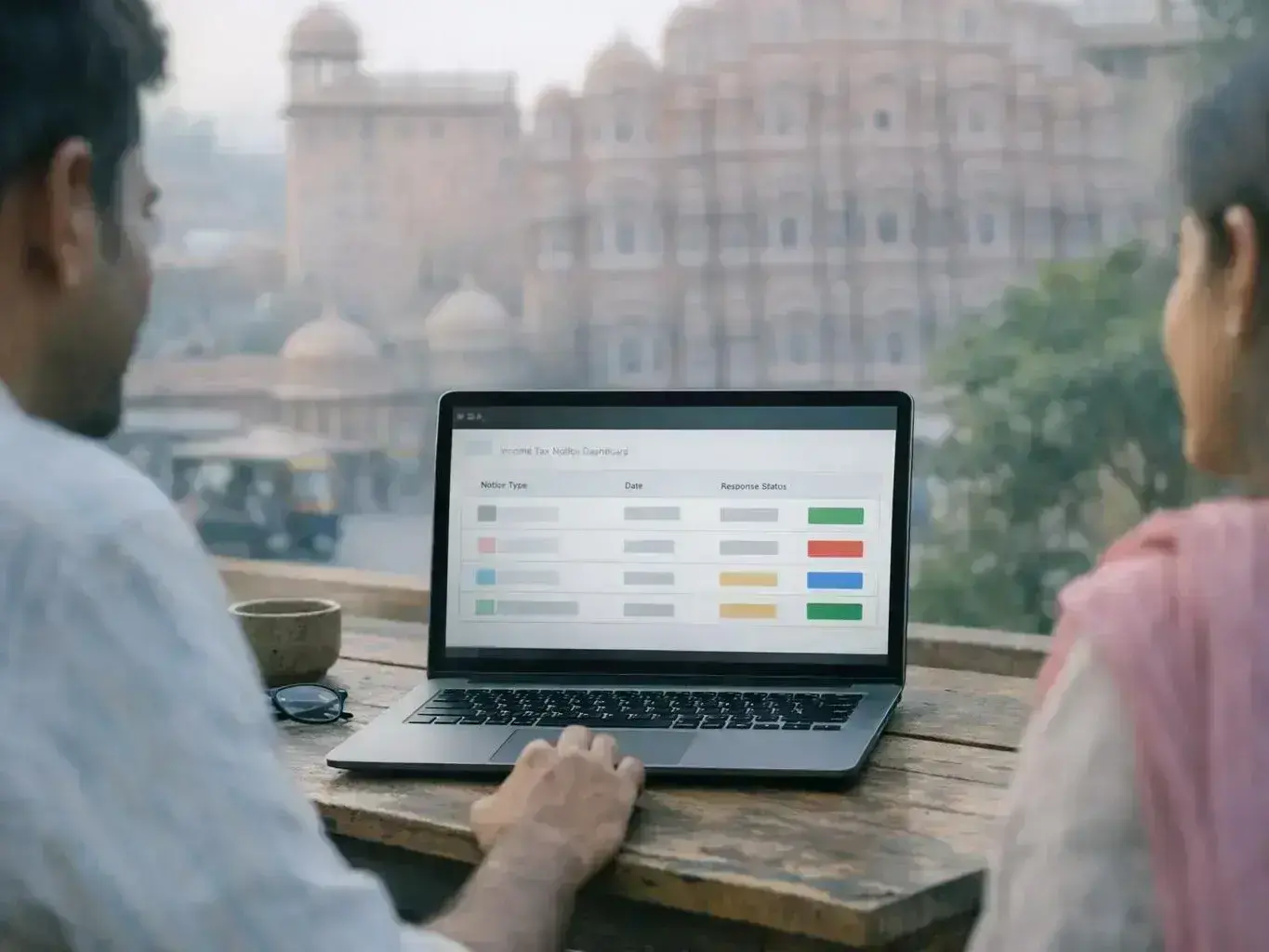
ITR filing process for senior citizens in India is a step-by-step income tax return filing workflow with eligibility, documents, forms, filing, verification, and compliance rules. In practice, the right tax compliance path depends on age, taxable income, and income mix, not just retirement status. Many retirees need only simple income tax filing support, while others need careful financial reporting because of pension income, bank interest, capital gains, or refund claims.
This guide uses India-specific rules, including the basic exemption limit and the common checks through Form 26AS and the Annual Information Statement. That matters because bank interest, pension credits, and TDS records can look different at first. A correct return cuts errors, speeds up refunds, and supports smooth e-filing and e-verification for the assessment year.
Who Needs to File an ITR as a Senior Citizen in India?
A senior citizen in India needs to file an income tax return when total taxable income crosses the applicable exemption threshold or when filing is needed for refunds, TDS reconciliation, or certain financial transactions. Pension, interest income, and capital gains can all affect filing eligibility, so age alone doesn't remove the duty.
In India’s age-based tax rules, the filing decision starts with the basic exemption limit. For many retirees, pension income is treated like salary for tax purposes, while income from other sources such as bank interest can also make a return necessary. Even when tax payable is low, a return may still help if TDS has been deducted, if a refund is expected, or if the taxpayer wants clean records for loans or investments.
Senior citizens should also look at the full yearly picture, not only the final tax amount. A person with modest pension income may still have taxable fixed deposit interest, mutual fund gains, or rent from one property. In that case, income tax filing becomes part of regular tax compliance and financial reporting. If there is only pension and interest, the process is often simple, but if there are multiple income streams, careful checking is needed before ITR submission.
What Documents Do Senior Citizens Need for ITR Filing?
Senior citizens should collect pension proofs, bank interest details, Form 16 if applicable, Form 26AS, AIS, bank account information, PAN, Aadhaar, and deduction proofs before filing. These documents help match income, taxes paid, and eligible claims, which reduces mismatches, notices, and refund delays.
Before starting ITR filing, senior citizens should match all documents against what appears in AIS and Form 26AS. This is especially important in India because bank interest and TDS entries may be reported by different institutions at different times. A quick TDS reconciliation step helps avoid refund status issues and tax return mismatch notices later.
Which ITR Form Should a Senior Citizen Use?
Most senior citizens with pension, one house property, and simple interest income use ITR-1, while those with capital gains, multiple house properties, or foreign assets usually need ITR-2. The correct form depends on income sources, deductions, and reporting rules, not only on age.
| ITR form | Best for | Typical senior citizen use |
|---|---|---|
| ITR-1 | Resident individuals with salary, pension income, one house property, and income from other sources | Common for retirees with pension income and bank interest only |
| ITR-2 | Individuals with capital gains, multiple house properties, foreign assets, or higher reporting needs | Used when retirement income is joined by investments, share sales, or foreign reporting |
Residential status also matters because it affects which income must be reported in India and how the return is prepared. A pensioner with only domestic pension and bank interest may fit a simple return, while a retiree with capital gains or overseas holdings needs a more detailed filing. Choosing the wrong form can trigger validation errors or extra correction work later.
Step-by-step ITR Filing Process for Senior Citizens
The ITR filing process for senior citizens in India starts with gathering income details, matching them with AIS and Form 26AS, selecting the right ITR form, entering income and deduction data, calculating tax, submitting the return, and completing e-verification. This workflow helps keep the return accurate, valid, and ready for processing by the income tax department.
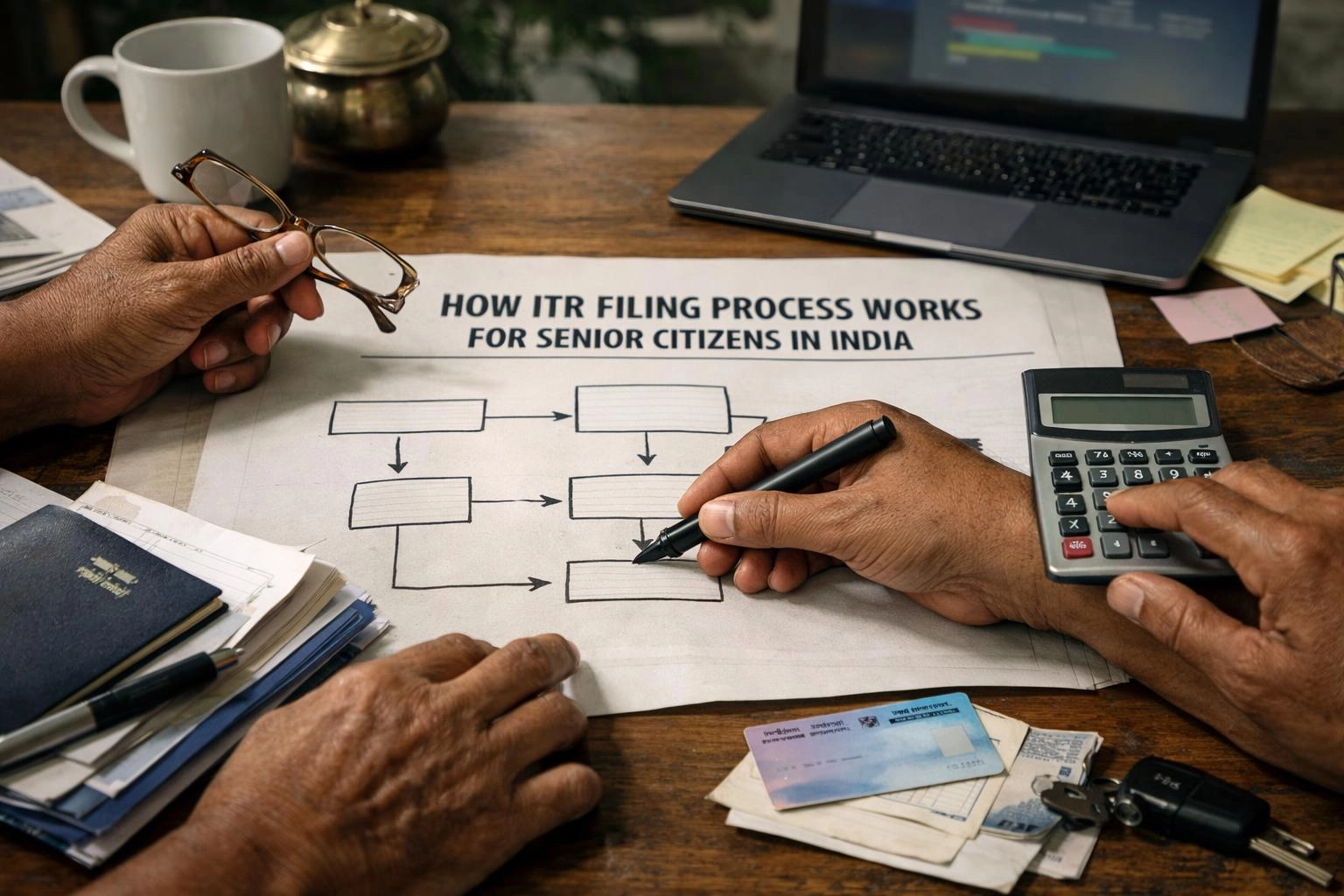
For a small pension return, the workflow is usually quick. For a more complex return, the process takes longer because of capital gains, multiple interest accounts, or reconciliation issues. Taxpayers who want support can use senior citizen e-filing help, pension return filing assistance, or consult a professional for Personal ITR Filing and Tax Return Consultation. In India, this final validation step through e-verification is essential; without it, the return isn't complete.
How Long Does the Filing Process Usually Take?
| Project size | Typical duration | What affects timing |
|---|---|---|
| Small | Often a short session once documents are ready | Simple pension income, one or two bank accounts, and clean TDS reconciliation |
| Average | Usually takes longer because of checks and entry review | Multiple interest certificates, deduction proofs, and return validation steps |
| Large | Can take a few review rounds before submission | Capital gains, foreign reporting, mismatches in AIS or Form 26AS, and tax consultation needs |
Typical timing depends less on age and more on document readiness. If a retiree has all income slips, deduction proofs, and bank details aligned, filing can be fast. If records are scattered, the preparation stage takes longer than the actual ITR submission.
Which Deductions and Exemptions Matter Most for Senior Citizens?
Senior citizens often reduce tax by claiming deductions such as Section 80TTB for interest income, Section 80D for health insurance, and Section 80C where eligible, along with the standard deduction on pension income. The right claims depend on their income mix, investment proofs, and health-related expenses.
Section 80TTB is especially useful because it is meant for interest income earned by a senior citizen, including savings and fixed deposit interest where allowed. The standard deduction can also apply to pension income, which helps retirees lower taxable income without needing a separate expense claim. If the person pays health insurance premiums or eligible medical insurance costs, Section 80D may further reduce the tax burden.
Section 80C can still matter if the taxpayer has qualifying investments, such as eligible insurance or specified savings instruments, but it depends on actual proof and the financial year’s contribution records. In many pension return filing cases, the biggest value comes from combining accurate pension reporting, interest exemption claims, and health-related deductions. Proper deduction planning is part of tax compliance and can improve the refund outcome if TDS was already deducted.
What Mistakes Should Senior Citizens Avoid While Filing?
Senior citizens should avoid selecting the wrong ITR form, missing bank interest or pension income, ignoring AIS and Form 26AS mismatches, and filing after the due date without a reason. These errors often cause notices, refund delays, or extra work during processing.
In India, one common failure point is the first look at AIS versus Form 26AS. A bank may report interest differently from the tax credit statement, or a pension record may show timing differences. Senior citizens should check each item carefully before submission, especially when they expect a refund or rely on TDS credits.
Can a Tax Expert File the Return for an Elderly Taxpayer?
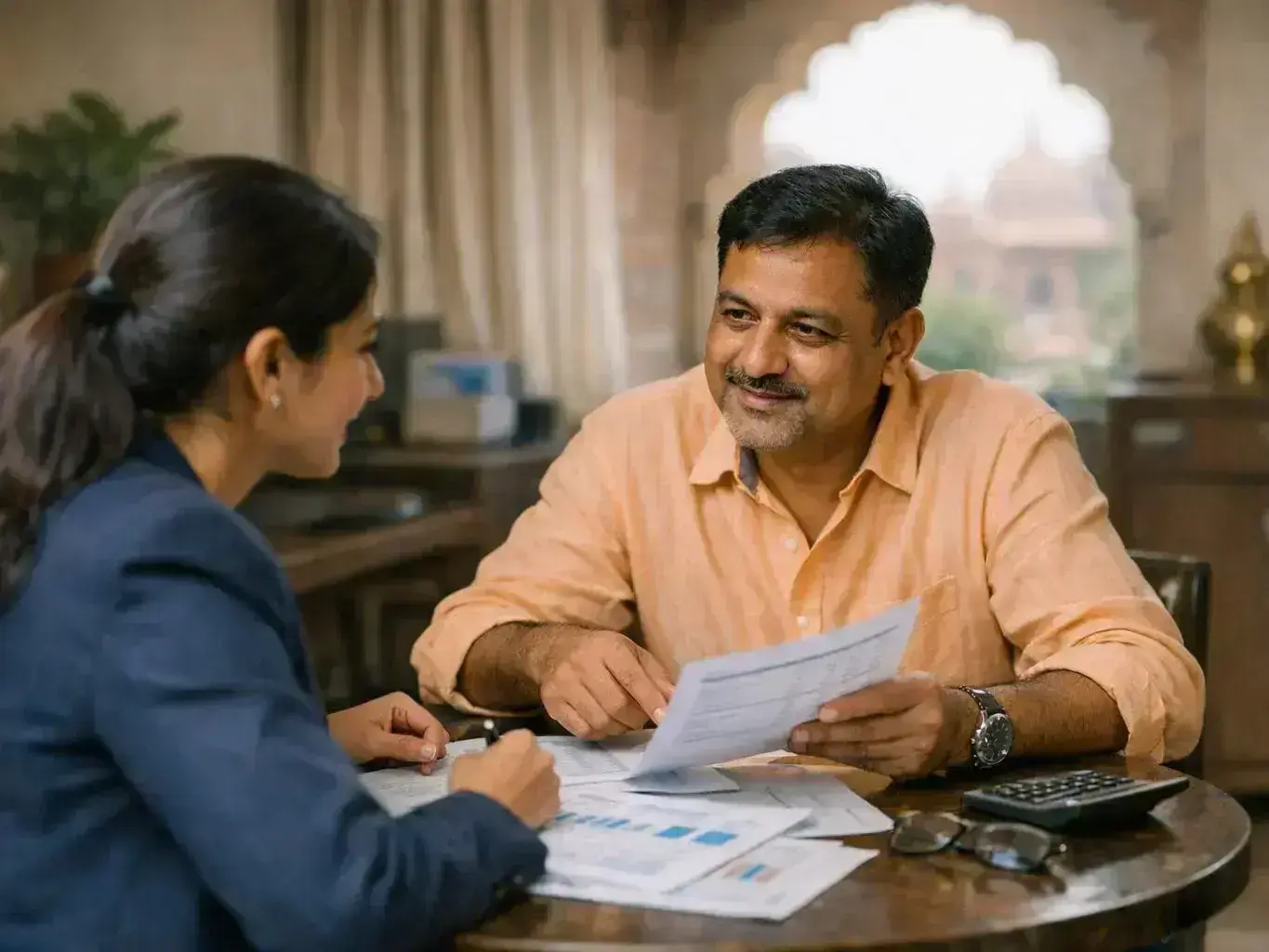
Yes, a tax expert can prepare and file the return for a senior citizen with proper details and consent. Professional help is especially useful when the return includes multiple income sources, capital gains, deductions, refund claims, or reconciliation issues that need careful review.
For an elderly taxpayer, authorized assistance can make tax return consultation easier and safer, especially when online filing steps feel unfamiliar. A professional can handle form selection, document review, tax computation, and e-verification while the taxpayer provides approval and records. This support is common for Personal ITR Filing, where the goal is clean compliance rather than just finishing the form.
If the return is straightforward, a senior can often complete it alone on the e-filing portal. If the return involves mismatches, capital transactions, or more detailed reporting, expert review can reduce mistakes and improve clear next steps. ITRFiling.org.in can help with compliance support when a retiree wants guided income tax filing instead of doing every step alone.
Frequently Asked Questions
Related Resources
ITR Filing for Salaried Individuals in Hyderabad vs Chennai: City-Wise Comparison
ITR filing for salaried Hyderabad vs Chennai comparison
Compared ToOnline ITR Filing Platforms vs Professional Tax Services in India: Which is Better for You?
online ITR filing platform vs tax professional India