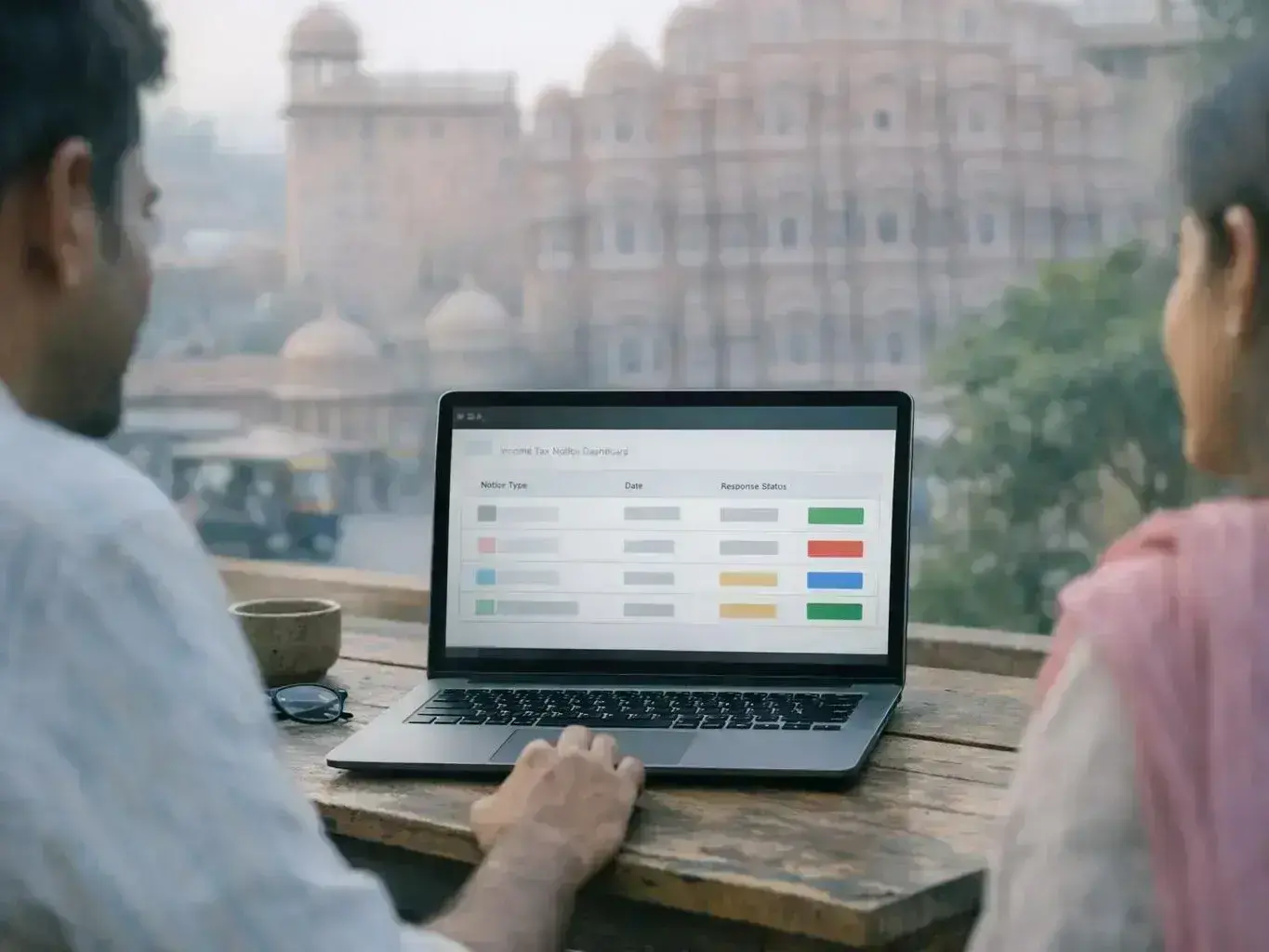
Books and Schedule Mapping
We map ledger data to the return schedules before filing. That step catches gaps early and helps Indian companies avoid last-minute corrections.
ITR Filing matters when corporate books, TDS records, and return data all need to line up. In India, GST records, audit files, and statutory deadlines can affect the filing path.
Corporate Tax Return Filing is the structured process ITRFiling.org.in uses to deliver measurable outcomes for customers in India.

Corporate Tax Return Filing is a tax compliance service that prepares and submits company returns. It focuses on return accuracy, TDS reconciliation, and disclosure checks before filing. India rules on income tax, audit support, and e-filing shape the filing workflow.
Reduces return errors before submission.
Keeps TDS and return data aligned.
Helps with Indian e-filing requirements.
Supports companies with audit-linked records.
Useful for cross-border reporting entries.
Works for teams across India, not one market.
We map ledger data to the return schedules before filing. That step catches gaps early and helps Indian companies avoid last-minute corrections.
We match TDS records, challans, and Form 26AS details with the return data. This reduces credit mismatch issues that can slow down processing in India.
We verify foreign entries, related-party items, and audit-linked disclosures against the filing form. That keeps the return aligned with income tax rules used across India.
We prepare the return for the Income Tax e-filing system and check the file structure. This helps the submission move through the official portal without avoidable errors.
ITRFiling.org.in ensures every Corporate Tax Return Filing order meets the highest standards—from sourcing through delivery. Here is what guides our process.
Every batch of Corporate Tax Return Filing is inspected and graded before it leaves our facility, so you receive exactly what was agreed.
Complete documentation—origin certificates, quality reports, and shipping details—accompanies every order.
Dedicated communication throughout the process—from initial inquiry to confirmed delivery at your destination.
Keep these items ready so the filing review can move without avoidable gaps.
A private company in India had TDS credits that did not align with its return draft. The mismatch came from records spread across payroll, vendor payments, and tax challans.
We reconciled the ledgers, matched Form 26AS entries, and rebuilt the disclosure schedule before submission. Corporate Tax Return Filing only moved forward after the source data lined up.
The final filing matched the company records and reduced back-and-forth on corrections.
Outcome described without fabricated numbers.
A closely held business had foreign income entries and audit-linked notes that were not mapped correctly. The filing draft left too much room for avoidable error.
We used a schedule-by-schedule review and checked the disclosure fields against the financial statements. That kept the return aligned with Indian filing rules and the company’s internal books.
The company submitted a cleaner return with a stronger record trail.
Outcome described without fabricated numbers.
Reach out first, and we’ll map your books, TDS records, and return form before the filing draft moves ahead.
Stop worrying about tax deadlines and complex forms.
A board change in India can shift what the return must show, especially when dividend treatment and retained earnings change together. ITRFiling.org.in checks the new numbers against the ledger, the tax schedules, and the disclosure fields before filing. That timing matters because the company may already be close to its internal approval window, so the next step has to be practical and clean.
A return that keeps showing TDS mismatch usually means the underlying records were never fully aligned. In India, we look at Form 26AS, challans, and the books to find the source of the repeat issue. The assessment tells us whether the problem sits in source data, classification, or a missed schedule entry.
An early-stage company in India may know it needs ITR Filing, but not know which disclosures apply. That’s common when the books are still simple, but the filing still has formal checks and portal steps. We sort the company’s records first, then set a filing path that fits the current structure without adding noise.