Signs You Need TDS Filing Help in India
You need TDS filing help in India when you miss due dates, face TDS mismatch errors, receive tax notices, struggle with challans or returns, or cannot reconcile deducted tax with Form 26AS, AIS, and TRACES. Professional support helps businesses and deductors file accurately, avoid interest and penalties, fix mismatches, and stay compliant with annual income tax obligations.
What Are the Clearest Signs You Need TDS Filing Help?
TDS filing help is needed when compliance starts showing errors: missed filing dates, incorrect challans, PAN mismatches, TDS credits not reflecting in Form 26AS, or notices from the Income Tax Department. These signs mean the return may be incomplete, inaccurate, or exposed to interest, fees, and penalty risk.
In India, the quarterly TDS compliance cycle often creates rush before each due date, So even a small TDS deduction error can spread across the quarterly statement, the TDS return, and the deductee’s credit record. If your team sees repeated reconciliation issues, treat that as an early warning.
Common issue points include payroll, vendor payments, and branch-level deductions, where PAN-based reporting and challan tagging can break the trail between payment and credit. When that happens, TDS return filing support can stop the problem from turning into repeated follow-ups.
Missed Deductions, Challan Errors, or Incorrect PAN Details
Missed deductions, challan errors, or incorrect PAN details usually mean you need challan correction support right away. If the deductor has quoted the wrong PAN, deposited tax under the wrong section, or linked a challan to the wrong quarter, the filing trail becomes weak and the credit may not flow to the deductee.
These problems are common in busy India compliance workflows, especially when one team member handles both books and filing. A careful review of the TDS return, challan trail, and PAN mapping can reduce avoidable notices and credit delays.
Form 26AS, AIS, and TRACES Do Not Match Your Records
Form 26AS, AIS, and TRACES not matching your records means you likely have a TDS credit mismatch that needs reconciliation. When the credit sits in one system but not another, the deductee may not see the tax reflected properly, and the return may need correction before the issue grows.
Because TRACES, Form 26AS, and AIS are India-specific reconciliation points, small errors can create a long cleanup cycle. If these records do not align, professional TDS filing support can save time and protect credit flow for employees and vendors.
When Does a DIY TDS Return Become Risky in India?
DIY TDS filing becomes risky when your business handles multiple deductees, salary and vendor payments, corrections, or repeated reconciliations across challans and statements. In India, small mistakes can trigger mismatches, delayed credit, notices, and extra compliance work, making professional filing assistance the safer option.
DIY filing can work for a very simple setup, but the risk rises fast when the team must manage PAN-based reporting, portal uploads, and quarterly checks at the same time. The more your workflow depends on manual follow-up, the more likely you are to spend time fixing errors instead of finishing compliance.
| Factor | DIY | Professional |
|---|---|---|
| Accuracy | Works for simple cases, but manual checks increase the chance of TDS deduction or PAN errors. | Uses structured review to reduce mismatches and improve filing accuracy. |
| Time saved | Takes more internal time, especially near each due date. | Saves staff time by handling preparation, review, and upload support. |
| Interest under tax law | Higher risk if a missed step delays deposit or return filing. | Lower risk through tighter deadline control and prompt correction. |
| Late fee | Possible if the quarterly statement is filed late. | Less likely with deadline tracking and reminders. |
| Notice handling | The team may struggle to respond quickly or interpret the notice. | Supports review, correction, and reply preparation. |
For businesses in India, the safer route is often professional filing when reconciliations, vendor data, and salary entries all converge. A trained reviewer can catch mismatched challans, portal issues, and reporting gaps before they become costly.
Warning Signs That the Workload Is Too Complex for Your Team
Your team likely needs TDS filing help when recordkeeping, payroll deductions, vendor tracking, and quarterly statement preparation are taking too much time or causing repeated corrections. Complexity rises quickly when payments span multiple branches, employee types, or deduction categories, and accurate reconciliation becomes difficult without expert support.
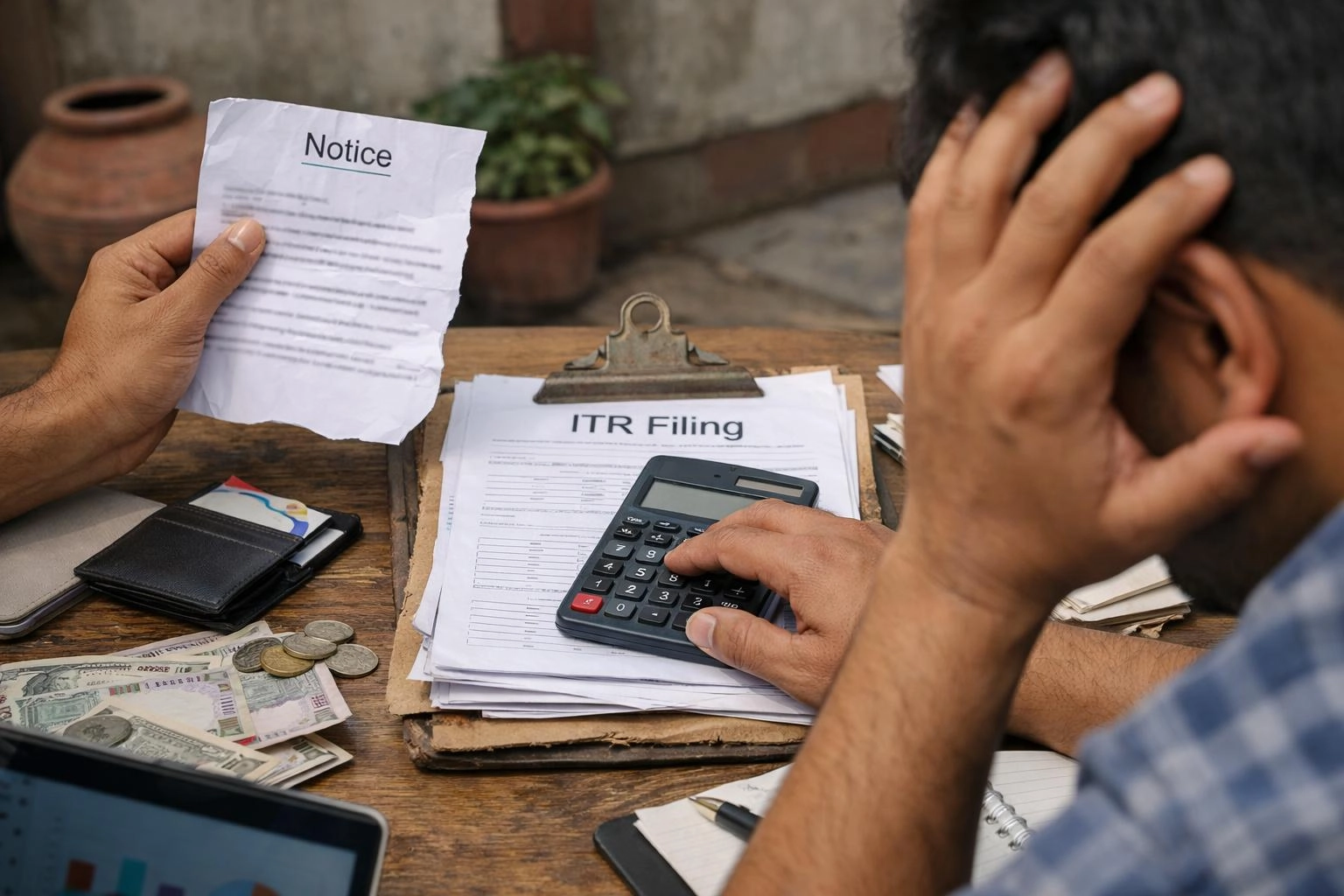
Once deductee records grow across departments, the filing process stops being a routine task and becomes a coordination problem. If the team is doing repeated reconciliation, chasing missing information, and rechecking the same entries before each quarterly statement, the workload is already too complex.
You Manage Many Deductees, Branches, or Payment Types
When one deductee base covers multiple branches and payment categories, the filing process becomes harder to control. Branch accounting often creates split records, while payment categories can trigger different deduction rules, so a single error can affect several entries at once. That is a strong sign to get help.
In larger India businesses, the problem is not only filing but also keeping the data clean enough to file correctly. If your internal team is constantly matching branch accounting reports against deduction registers, TDS filing support can streamline the workflow.
You Keep Correcting Filings After Submission
If you keep filing a correction statement after submission, the process needs a reset. Frequent TDS return revision usually means the original filing lacked proper verification, and that weakens filing accuracy across the quarter. Rework also adds pressure near each due date.
Correction requests are common, but repeated ones point to a process problem, not just a one-time mistake. A stronger review step before upload can reduce the need for later edits and keep the credit trail cleaner in TRACES and Form 26AS.
DIY vs Professional TDS Filing: Which Works Better?
DIY filing works for very simple, low-volume cases, but professional TDS filing is better when accuracy, deadlines, reconciliation, and notice handling matter. A professional reduces avoidable errors, supports corrections, and helps keep returns aligned with Form 26AS, AIS, and TRACES while saving internal team time.
If your India compliance process already involves multiple deductees, branch-level reporting, or frequent corrections, professional filing usually delivers better control. The key difference is not just who uploads the return, but who catches mismatches before they become a notice or credit delay.
| Factor | DIY Filing | Professional Filing |
|---|---|---|
| Accuracy | Suitable for simple records, but easy to miss a PAN mismatch or challan issue. | Built around review steps that improve accuracy before upload. |
| Time saved | More internal time is needed for checking, uploading, and follow-up. | Less internal effort because preparation and reconciliation are managed more efficiently. |
| Notice handling | The team may not know how to read or respond to a tax notice quickly. | Supports response planning, correction, and coordination with the filing record. |
| Reconciliation | Manual and easier to overlook across Form 26AS, AIS, and TRACES. | Structured and better suited to recurring checks. |
| Compliance burden | Higher burden on the internal team during quarterly filing cycles. | Lower burden because the process is shared and more controlled. |
In practice, professional filing is the better fit when the cost of an error is higher than the cost of support. That is often true once your business depends on smooth TDS credit, fast correction, and clean annual reporting.
How TDS Filing Assistance Supports Annual Income Tax Compliance?
TDS filing assistance supports annual income tax compliance by keeping deduction records, TDS statements, certificates, and taxpayer credits aligned. When TDS data is accurate, annual return filing becomes easier, employees or vendors receive correct credit, and the business lowers the chance of notices, disputes, or delayed processing.
Well-managed TDS return filing also helps the year-end process run smoothly because Form 16 can be issued from cleaner records, and the same data supports the income tax return process. For many businesses, this is where TDS filing support pays off: fewer mismatches, fewer corrections, and less follow-up after year-end.
When Form 16, the TDS certificate, and the books all match, annual income tax compliance becomes more predictable. That matters in India because a single reporting gap can affect both deductee trust and the business’s response to an Income Tax Department notice later.