Source Record Mapping in Chennai
We start with source record mapping across salary slips, bank entries, AIS, and Form 26AS. That step shows where the late return is already clean and where Chennai documents still need matching.
Late filing gets harder when AIS and 26AS don’t match. In Chennai, monsoon delays and year-end document gaps can slow things down, so we keep the process simple.
Chennai’s tax work often gets pushed back by rain, travel, and document delays. That matters for freelancers in Velachery, office staff around Teynampet, and owners in industrial belts near Ambattur. ITRFiling.org.in uses a return-first process, not guesswork.
We check Form 16, AIS, Form 26AS, and deduction proofs before any filing step. Clients get a cleaner return and fewer back-and-forth issues. In a city with humid weather and busy month-end schedules, that saves time and stress.
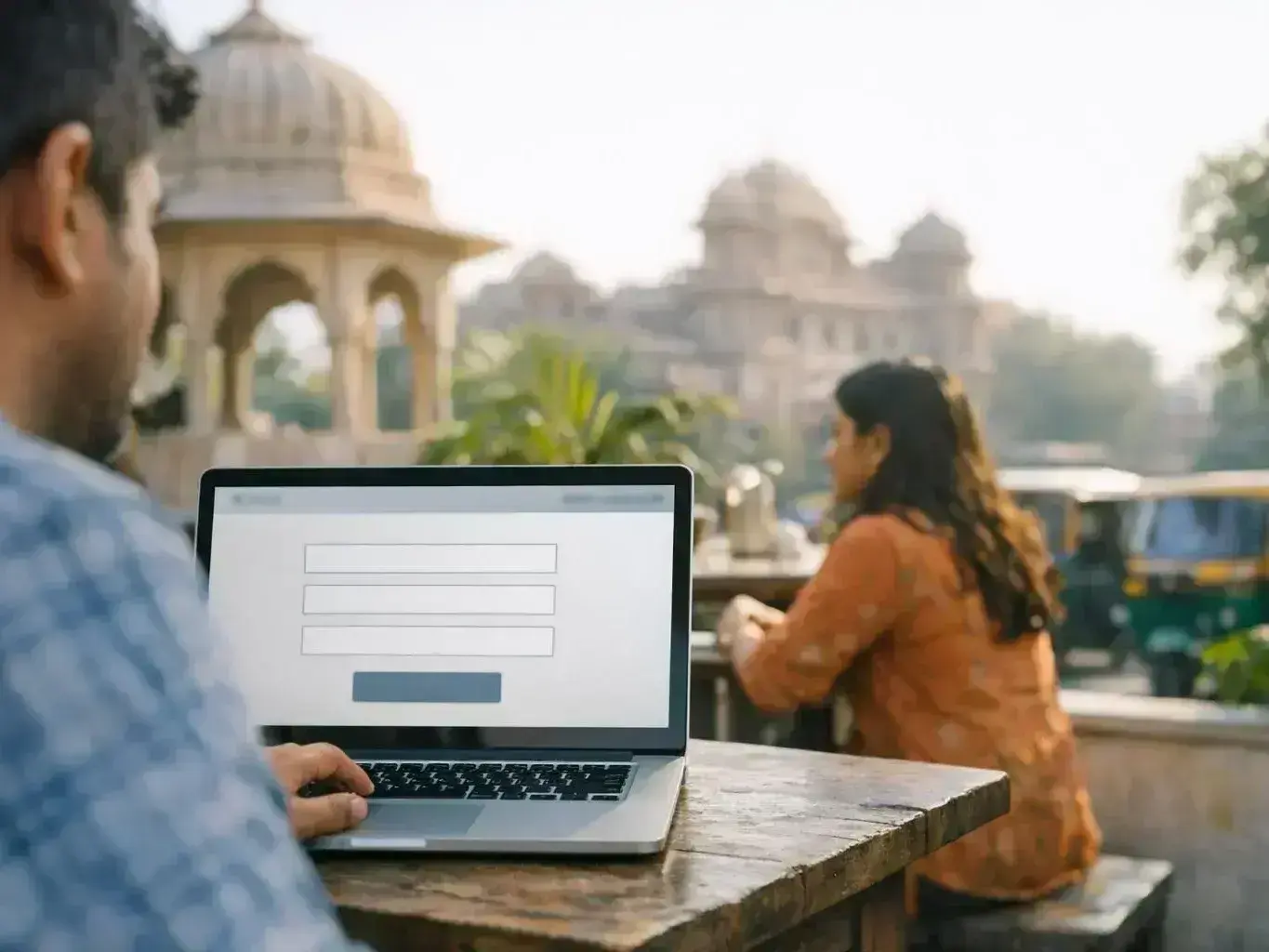
ITRFiling.org.in provides comprehensive Late ITR Filing Help in Chennai. Here's what you get:
We look at the full filing picture before we submit anything. Chennai clients often have mixed income, and that makes AIS and 26AS checks worth the extra care.
Rain and travel delays can leave documents split across phones, email, and paper files. In Chennai, we plan the filing around that reality so late work doesn’t spiral.
Many Chennai returns include salary, freelance work, and small business income in one year. We sort each income source before filing, so the return matches the records.
We won’t push a filing step if the records are still too messy. If the Chennai file needs cleanup first, we say so and keep the next step practical.
Late filing isn’t done when the return is uploaded. We finish the e-verification path too, because Chennai clients need the return to be complete and accepted.
A software freelancer in OMR missed filing after a late client payment and a delayed Form 16 update. Heavy rain also slowed access to paper records kept at home in Anna Nagar. ITRFiling.org.in checked the income trail, matched AIS and 26AS, and got the return ready for e-verification without extra confusion.
We start with source record mapping across salary slips, bank entries, AIS, and Form 26AS. That step shows where the late return is already clean and where Chennai documents still need matching.
We sort income into salary, freelance, business, rental, and capital gain buckets before filing. Chennai files with mixed income need this, or the return can drift away from the records.
We check the proof for common claims before the return is drafted. In Chennai, this helps when papers are split between office files, home storage, and mobile scans.
In Chennai, We prepare the return in the Income Tax e-Filing system and keep the data aligned through submission. That reduces last-step errors when the client needs a late return finished after a delay.
In Chennai, You save time when your papers are already mixed across bank, employer, and GST records.
You avoid extra confusion when monsoon delays slowed your document flow in the area.
In Chennai, You get a filing path that fits salaried, freelance, or business income.
In Chennai, You can fix mismatch issues before they turn into notice problems.
In Chennai, You get simple explanations instead of tax jargon.
In Chennai, You keep the return process moving even when work is busy in the city.
ITRFiling.org.in ensures every Late ITR Filing Help order meets the highest standards—from sourcing through delivery. Here is what guides our process.
Every batch of Late ITR Filing Help is inspected and graded before it leaves our facility, so you receive exactly what was agreed.
Complete documentation—origin certificates, quality reports, and shipping details—accompanies every order.
Dedicated communication throughout the process—from initial inquiry to confirmed delivery at your destination.
A Chennai freelancer had mixed receipts, late client payments, and a missed filing deadline. The income record also needed reconciliation across bank entries and tax data.
We rebuilt the return from Form 16A, AIS, and Form 26AS, then checked deduction claims line by line. That let the late filing move forward with a cleaner record.
The return was prepared and e-verified after the mismatches were cleared. The client had a simpler record for later tax follow-up.
No fabricated number is shown here. The outcome was a completed late return with reconciled records.
A Chennai shop owner had business income, rental income, and missed bookkeeping entries from a busy year. Rain-related delays also slowed the delivery of paper records.
We used source-document matching, income classification, and deduction checks before filing. That reduced confusion between business receipts and personal tax entries.
The late return was filed with the records lined up first. The owner also had a better document trail for the next filing cycle.
No verified statistic was supplied. The useful result was a cleaner filing trail and fewer missing records.

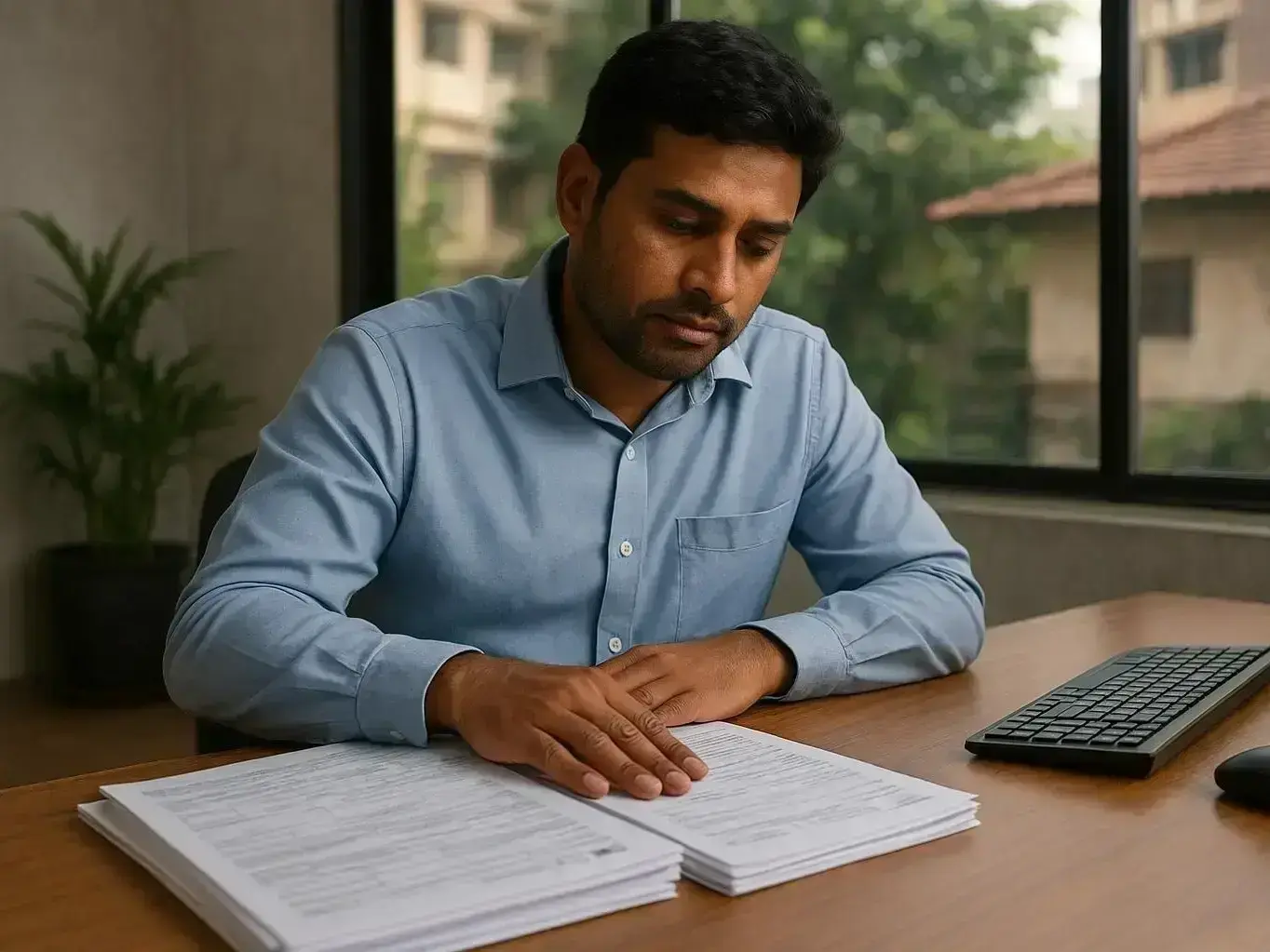
Is your late return still waiting on records or e-verification? Reach out and let’s sort the filing path for the local market.
Stop worrying about tax deadlines and complex forms.
A salaried worker in Chennai, Tamil Nadu switched jobs in March and got two Form 16 documents late. That changed the filing picture, because salary totals and TDS entries had to be matched across both employers. We would check AIS, Form 26AS, and deduction proofs first, then map the late return to the right income year. The safe next step is to gather both Form 16s, bank statements, and any notice letters before filing moves ahead.
A resident owner in Chennai, Tamil Nadu keeps rental papers, bank alerts, and repair bills at a flat in Mylapore. Water seepage and storage issues can make old tax records hard to find, so the return needs a careful document list. We would separate rental income, property details, and deduction support before any filing step. The next step is to collect digital copies from email, WhatsApp, and bank apps so nothing stays buried in paper files.
A consultant in Chennai, Tamil Nadu has filed late returns before, but one mistake kept coming back in the reconciliation stage. That usually means the earlier process skipped AIS or missed a deduction link, so the same gap returns each year. We would change the workflow by checking the source records first and then preparing the return. The next step is a full document review, so the filing path becomes easier to trust.