Understanding TRACES

TRACES, short for TDS Reconciliation Analysis and Correction Enabling System, is an online platform launched by the Income Tax Department of India. It serves as a central hub for taxpayers, employers. And tax deductors to manage Tax Deducted at Source (TDS) and Tax Collected at Source (TCS) records. The portal allows users to view, download. And correct TDS/TCS statements, ensuring that tax deductions match the amounts deposited with the government.
Related glossary terms: Form 26AS, TDS, Tax Deducted at Source.
TRACES is designed to simplify tax compliance and reduce errors. Before its introduction, taxpayers often faced challenges in reconciling TDS credits with their actual tax liabilities. TRACES addresses this by providing a single, secure platform where all TDS/TCS-related information is consolidated. This includes Form 16 (for salaried individuals), Form 16A (for non-salary income). And Form 26AS (a consolidated tax statement).
How TRACES Works?
TRACES operates as a web-based system accessible through the official Income Tax Department website. Users must register on the portal using their Permanent Account Number (PAN) or Tax Deduction and Collection Account Number (TAN). Once registered, they can log in to perform various tasks:
- Viewing and Downloading Certificates: Taxpayers can download TDS certificates (Form 16, Form 16A) and TCS certificates directly from TRACES. This eliminates the need to rely on employers or deductors for physical copies.
- Reconciling TDS/TCS: The portal allows users to compare the TDS/TCS deducted with the amounts reflected in Form 26AS. Any discrepancies can be identified and corrected through the portal.
- Submitting Correction Requests: If errors are found in TDS/TCS statements, deductors can file correction statements on TRACES to rectify them. That way that taxpayers receive accurate credit for taxes deducted.
- Generating Challans: Deductors can generate challans for TDS/TCS payments and track their payment status.
TRACES also integrates with other tax-related systems, such as the Centralized Processing Cell (CPC), to ensure smooth data flow. This integration helps in the automatic updating of Form 26AS, which reflects all TDS/TCS transactions linked to a taxpayer’s PAN.
Why TRACES Matters?
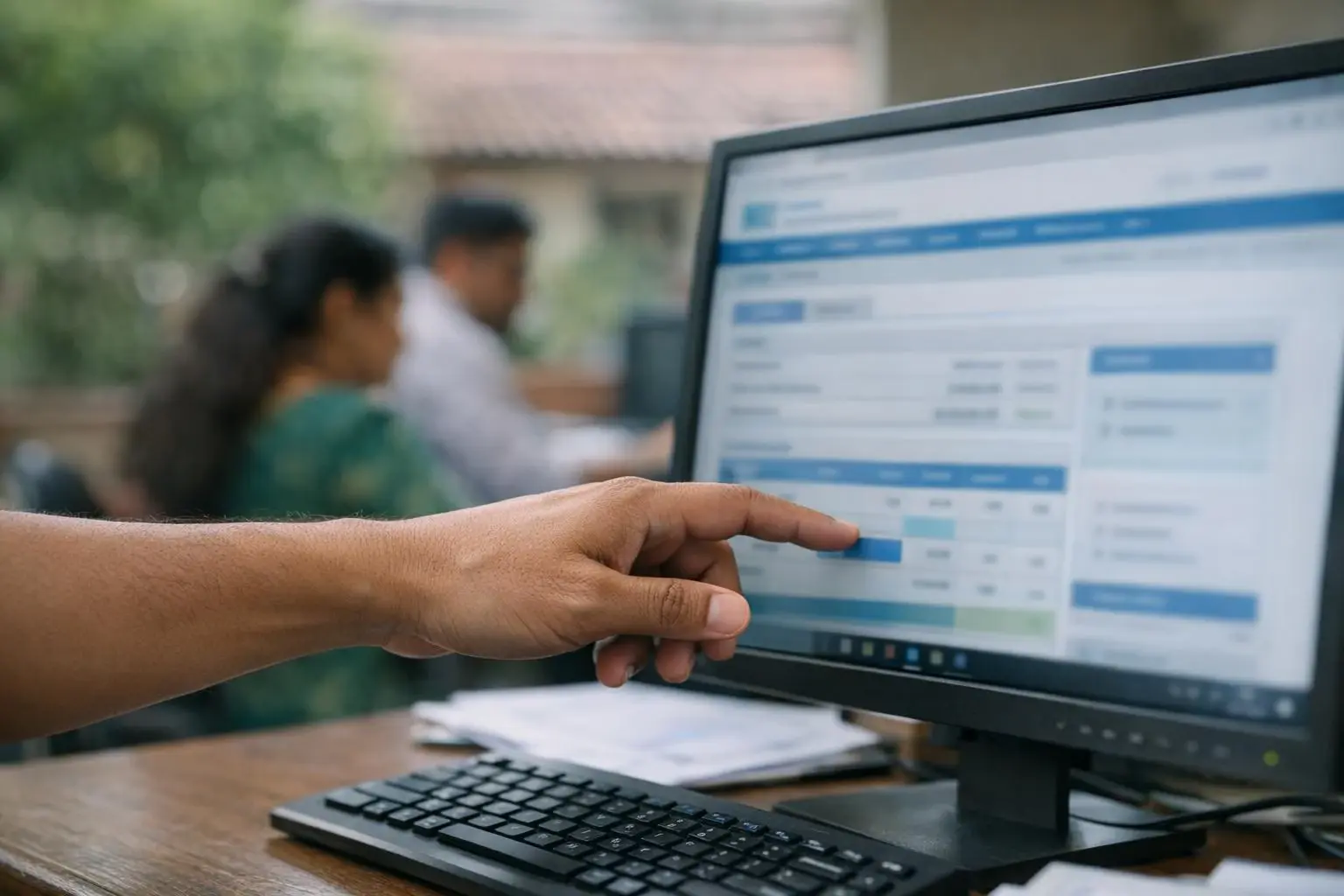
TRACES plays a critical role in ensuring tax transparency and accuracy. For taxpayers, it provides a clear record of all TDS/TCS deductions, which is essential for filing accurate income tax returns. Without access to TRACES, taxpayers might face issues such as incorrect TDS credits, leading to higher tax liabilities or delays in refunds.
For employers and deductors, TRACES simplifies compliance by providing tools to manage TDS/TCS filings, corrections. And payments. It reduces the risk of penalties for non-compliance, such as late filing or incorrect deductions. And TRACES helps in resolving disputes between taxpayers and deductors by providing a centralized record of all transactions.
When TRACES Matters Most?
TRACES is particularly important in the following situations:
- Filing Income Tax Returns: Taxpayers need to verify their TDS/TCS credits in Form 26AS before filing their returns. TRACES provides access to this form and helps resolve any discrepancies.
- Claiming Tax Refunds: If excess TDS has been deducted, taxpayers can claim refunds. TRACES ensures that the correct TDS amounts are reflected, speeding up the refund process.
- Correcting TDS/TCS Errors: Deductors can use TRACES to file correction statements if they find errors in previously filed TDS/TCS returns. This prevents penalties and ensures accurate tax records.
- Audits and Assessments: During tax audits, the Income Tax Department may verify TDS/TCS records. TRACES provides a reliable source of information for both taxpayers and tax authorities.
- Employee Salary Processing: Employers use TRACES to generate Form 16 for employees, which is essential for their tax filing.
For businesses and individuals in India, TRACES is a vital tool for maintaining compliance and avoiding tax-related issues. It ensures that tax deductions are accurately recorded and credited to the right taxpayers.