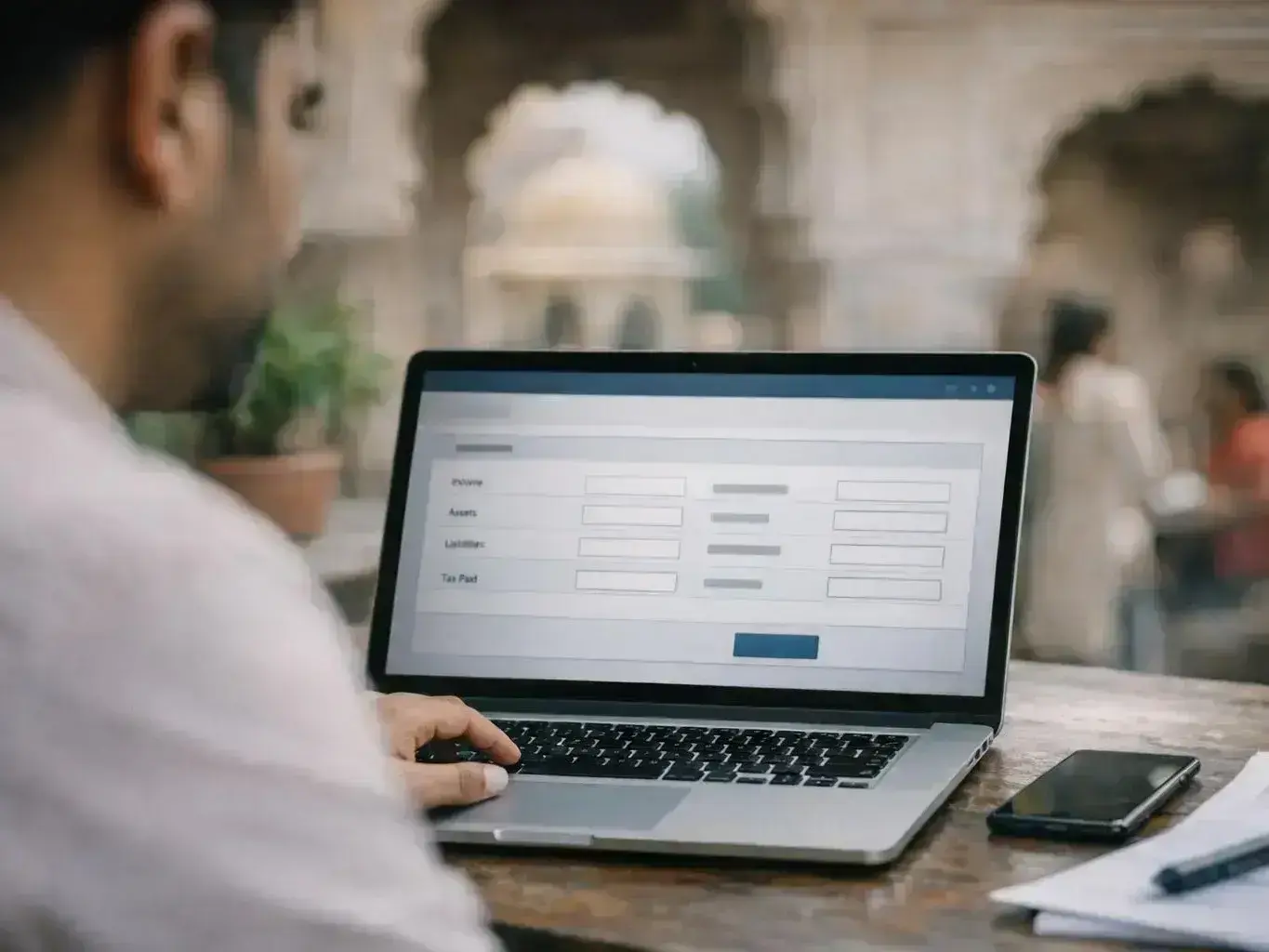
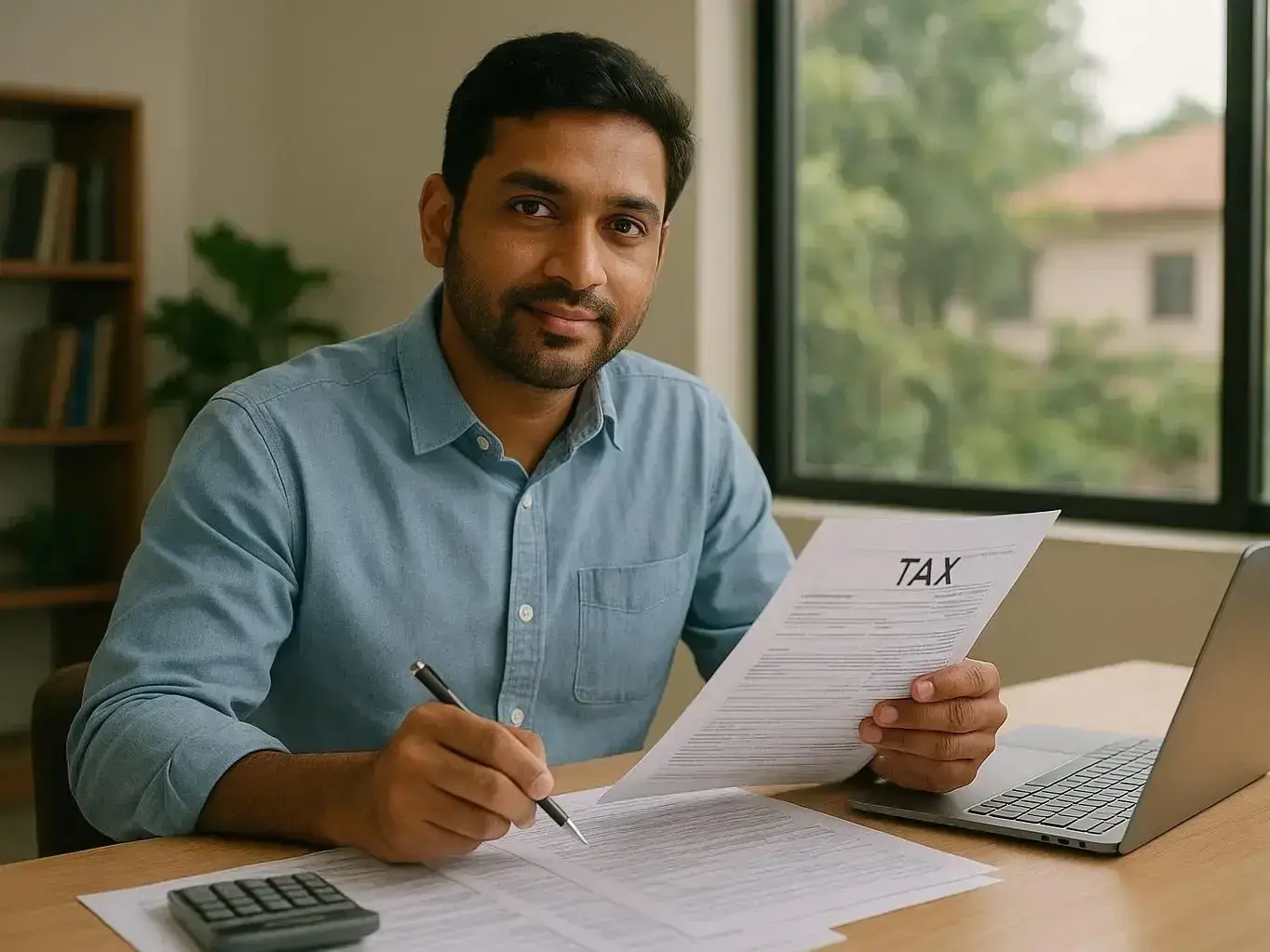
Freelancer ITR Filing Process in India
Freelancers in India file ITR by listing their income, choosing the right return form, and working out taxable profit after allowed deductions. Most freelancers use ITR-3 or ITR-4, depending on their books and presumptive taxation choice. After filing, they e-verify the return and keep records for future checks. A freelancer ITR filing process India usually includes income summary, expense deduction, tax calculation, e-verification, and refund tracking.
What Is the Freelancer ITR Filing Process in India?
Freelancer ITR filing in India means reporting professional income, claiming business expenses and deductions, choosing the correct ITR form, and submitting the return on the Income Tax portal. It keeps self-employed earners, consultants, and independent contractors tax compliant.
In practice, the freelancer income tax return starts with gross receipts from client work. Then it moves to taxable income after deductible expenses and eligible personal deductions are applied. The India Income Tax Department uses this filing to check whether the self-employed professional has paid the right tax for the assessment year.
This direct path is a core part of income tax compliance and direct tax return filing. For many independent workers, the process also includes bank account validation, refund processing, and tax computation, so the final return is complete and traceable. If the freelancer works in India and keeps clear income records and expense proofs, ITR filing becomes much easier to manage.
Which ITR Form Should Freelancers Use in India?
Freelancers usually file ITR-3 when they keep books or report actual business income. They file ITR-4 when they choose presumptive taxation under eligible professional income rules. The right form depends on income type, bookkeeping, and whether the freelancer has business income details that need full disclosure.
| Form | Best for | Key fit | Notes |
|---|---|---|---|
| ITR-3 | Freelancers with books of account or actual profit reporting | Detailed business/professional income reporting | Useful when income is irregular, multiple, or closely tracked with expense proofs |
| ITR-4 | Eligible professionals using presumptive taxation | Simplified filing under Section 44ADA | Common when the freelancer wants easier bookkeeping and reports presumptive income |
| Presumptive taxation | Professionals with qualifying receipts and simple records | Lower compliance burden | Section 44ADA can simplify tax reporting for many consultants and independent professionals |
For Section 44ADA return filing, ITR-4 is often the practical route because it supports presumptive taxation for eligible professionals. If a freelancer wants to show actual deductible expenses and full business details, ITR-3 filing for freelancers is usually the better match. The key is to align the form with the income method, not just with convenience.
Choosing the wrong return type can lead to correction work later, especially if AIS/TIS or Form 26AS already shows income and tax credits differently. When in doubt, compare the form rules with your receipts, expenses, and any advance tax already paid.
Step-by-step Freelancer ITR Filing Process in India
The freelancer ITR filing process in India starts with collecting income and expense records. Then it matches taxes with Form 26AS and AIS, selects the correct ITR form, enters gross receipts and deductions, computes tax, submits the return, and completes e-verification to make the filing valid.
In real-life India Income Tax Department workflows, the strongest returns are backed by neat expense proofs and accurate reconciliation. If your AIS/TIS or Form 26AS shows income that differs from your books, fix the mismatch before filing. This reduces scrutiny, shortens processing time, and helps the return move through refund processing without avoidable friction.
Freelancers with uneven income should also check whether advance tax is due during the year. Tax isn't only an annual task; for consultants, designers, developers, writers, and other independent workers, it's often a year-round job.
What Deductions and Expenses Can Freelancers Claim?
Freelancers can lower taxable income by claiming genuine business expenses and eligible personal deductions under the Income Tax Act. Common claims include software, internet, rent for office space, travel for work, depreciation on equipment, and deductions such as Section 80C where applicable.

Freelancers should claim only genuine business expenses, not personal spending mixed into work costs. The best approach is to separate income records from expense proofs early in the year so the return can be prepared cleanly and with less stress.
How Long Does Freelancer ITR Filing Usually Take in India?
Freelancer ITR filing time in India depends on income complexity, number of invoices, expense records, and whether reconciliation is needed. A simple return can be completed quickly, while multiple income streams, foreign receipts, or bookkeeping gaps take more time for preparation and review.
| Project size | Typical duration | Common complexity |
|---|---|---|
| Small freelancer | A short filing window after records are ready | Single income source, fewer invoices, simple deductions |
| Average freelancer | Usually longer because reconciliation and review are needed | Several clients, regular expenses, possible TDS matching |
| Large freelancer | Longest timeline among the three typical ranges | High receipts, foreign income, mixed business records, deeper tax computation |
In practice, the fastest returns are usually the ones with tidy income records, clear bank account validation, and no AIS mismatch. More complex direct tax return filing cases need extra time for tax computation, document checks, and final review before submission.
What Mistakes Delay Freelancer ITR Filing and Refunds?
Freelancer ITR filing delays usually happen when the wrong ITR form is selected, income does not match AIS or Form 26AS, deductions are unsupported, or the return is not e-verified on time. These errors can trigger notices, processing delays, or refund hold-ups.
For India-based freelancers, the local proof requirement is simple but important: the Income Tax e-filing portal and e-verification workflow decide whether the return becomes valid. If the portal data and your records do not match, resolve the issue before filing rather than after a notice arrives.
Another common slowdown is uneven record keeping across the year. A freelancer who tracks invoices, deductions, and tax payments monthly is far less likely to face processing friction than one who prepares everything at the last minute.
When Should Freelancers File Their Income Tax Return in India?
Freelancers should file their income tax return within the applicable due date for the assessment year and should also check advance tax obligations during the year if tax liability is expected to cross the threshold. Timely filing helps avoid penalties, interest, and refund delays.
For most independent workers, the best time to begin is soon after the financial year ends, once invoices, bank entries, and TDS data are ready. If your income is steady enough to create advance tax exposure, review it during the year instead of waiting for the return deadline.
In India, timely self-employed ITR filing is especially important because refund processing, notices, and interest calculations all depend on the return being filed correctly and on time. The sooner the filing is completed and e-verified, the faster the compliance cycle closes.
Frequently Asked Questions
Related Resources
Signs a Freelancer in India Needs ITR Filing Assistance
signs freelancer needs tax filing help
When You Need ItSigns You Need Income Tax Refund Assistance in India
signs you need income tax refund assistance India
Compared ToITR Filing for Salaried Employee in Delhi vs Freelancer in Mumbai: Income & Deduction Comparison
ITR filing salaried Delhi vs freelancer Mumbai tax differences