Revised ITR Filing Process in India: Late Filing and Corrections
In India, the revised ITR filing process lets a taxpayer fix mistakes in a filed income tax return and send the updated return to the Income Tax Department within the allowed time. If the original return was missed or filed late, the taxpayer should first file the belated ITR, if eligible, and then use the revised return route for corrections. This process helps fix wrong income, deductions, bank details, or tax calculations, and it can lower notice risk.
What Is the Revised ITR Filing Process in India?
The revised ITR filing process in India is the legal way to correct errors in an already filed income tax return by sending a fresh return for the same assessment year. It is used for wrong income, missed deductions, incorrect TDS, bank details, or tax mismatch, and it applies only within the allowed filing window.
In practice, this is a key part of income tax filing and wider tax compliance. On the India income tax e-filing portal, a taxpayer can open the earlier filing, make changes, and submit a revised return. A belated return is different. It is filed after the due date when the original return was missed, but still within the allowed period. The assessment year matters because every filing is tied to that income period, not the calendar year.
This route helps when Form 16, Form 26AS, and AIS do not match the first draft of the return. A corrected ITR, sometimes called an amended return or corrected ITR, can reduce defects and support smoother processing by the Income Tax Department. The main step is to match income, deductions, and tax credits before you resubmit.
When Should You File a Late or Revised Income Tax Return?
You should file a late return when the original due date has passed, but the return is still eligible under the belated ITR rules. You should file a revised return when the original return was filed but has mistakes. In simple terms, late filing starts the compliance process, and revision fixes errors before assessment closes.
If you missed filing altogether, first check whether a belated return is still allowed for that assessment year. After that, you can correct errors through the revision window if the law still permits it. This order matters for salaried employees, freelancers, and small businesses because the timeline can differ, but the local compliance flow on the income tax e-filing portal stays the same.
Use a late filing route when the return was not submitted at all, and use the revised return route when the first filing is live but needs corrections. Common triggers include an income mismatch, missed deductions, wrong TDS, or a bank account error. The safest move is to act as soon as you spot the issue, because delay can limit options and raise notice risk.
Step-by-Step Revised ITR Filing Process
The revised ITR filing process starts with logging into the Income Tax e-Filing portal, choosing the correct assessment year, and opening the filed return for correction or starting a fresh return if the earlier one was missed. Then the taxpayer edits income, deductions, TDS, or bank details, checks the return, submits it, and completes verification.
Step 1: Log in and Choose the Correct Assessment Year
Start by signing in to the income tax e-filing portal and selecting the right assessment year. This keeps the corrected return tied to the right period and helps match it with your salary, business, or capital gains records. Keep your PAN and Aadhaar ready for access.
Step 2: Open the Original Return or Start the Belated Filing
If the original return was already filed, open it and choose the revision option. If it was missed, begin with belated filing where eligible. At this point, you decide whether you are fixing an existing filing or creating a first-time return for that year.
Step 3: Correct Income, Deductions, and Tax Details
Edit the sections that are wrong, including salary, house property, interest, capital gains, or business income. Fix income mismatch issues by checking Form 16, Form 26AS, and AIS. Update deductions, TDS credits, and bank account details so the tax calculation reflects the real position.
Step 4: Review Computation and Validate Errors
Check the tax computation sheet before submission. The portal’s validation tools can flag missing fields, wrong totals, or invalid format issues. Recheck whether the revised figures match your records, because a small input error can create a new mismatch and slow things down.
Step 5: Submit the Return and Verify It
After review, submit the filing and complete verification. In India, a return is not fully accepted until it is e-verified. You can use OTP methods linked to Aadhaar, net banking, or EVC. Keep the acknowledgement number for tracking, because it shows the revised filing was sent on time.
How Long Does Late or Revised ITR Filing Take?
Late or revised ITR filing usually takes less time when salary income, Form 16, and TDS details are simple. It takes longer when business income, multiple deductions, or notice-related mismatches need review. The main time driver is document readiness and the number of corrections required, not just the filing itself.
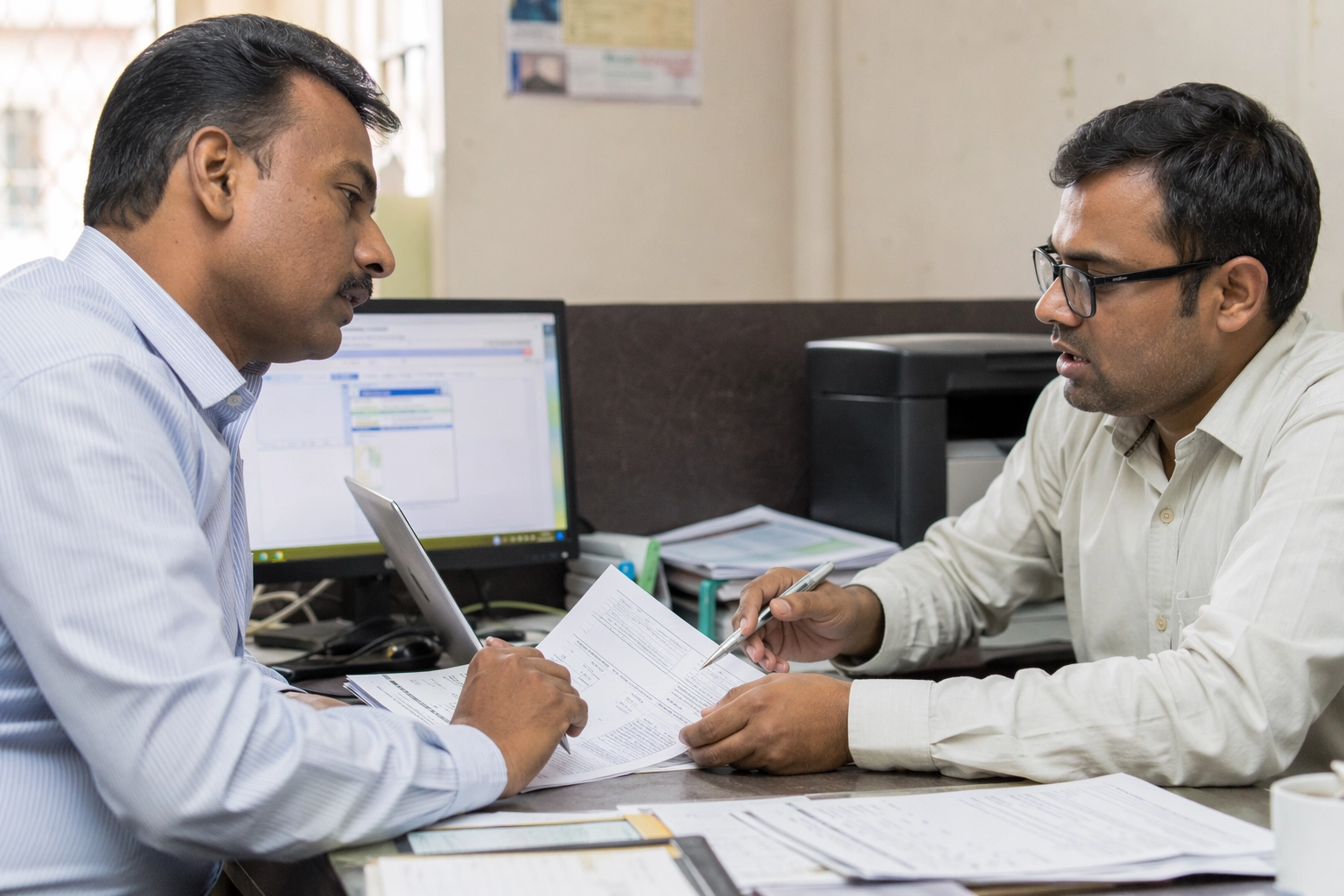
Typical turnaround time depends on complexity, portal data matching, and whether the taxpayer needs to reconcile AIS reconciliation, bank entries, or past-year carryforwards. In simple salary cases, the work is often quick once the documents are ready. For freelancers or small businesses, the review can take longer because books of accounts, invoices, and tax credits may need extra checks.
| Project size | Typical duration | What affects the timeline |
|---|---|---|
| Small | Usually same day to a short working window | Salary return, ready Form 16, clean Form 26AS, and no major mismatch |
| Average | Often one to three working windows | A few corrections, deduction proof review, and e-verification follow-up |
| Large | Can take several working windows | Business income, capital gains, AIS mismatch, or notice-related reconciliation |
For Indian taxpayers, the pace also depends on the annual assessment-year calendar and whether verification is completed right away through Aadhaar OTP, net banking, or EVC. A delayed verification step can hold the return even after the form is ready.
Documents and Details Needed Before You File
Before filing a revised or late ITR in India, you should collect your PAN, Aadhaar, Form 16, Form 26AS, AIS, bank account details, capital gains records if any, and proof for deductions claimed. These documents help match income, tax deducted at source, and eligible deductions so the corrected return is accurate.
For salaried taxpayers, Form 16 is often the main source document. Freelancers may need invoices, payment statements, and books of accounts. Small businesses should also keep GST records, expense vouchers, and tax computation sheets ready, because a stronger document file lowers the chance of a mismatch when the corrected return is reviewed.
Common Mistakes That Trigger Notices or Rejection
The most common filing mistakes are choosing the wrong assessment year, using income figures that do not match AIS or Form 26AS, missing verification, and claiming deductions without proof. Fixing these issues early lowers the chance of a defect notice, processing delay, or unwanted scrutiny from the tax department.
Another common failure is a mismatch between the numbers in the return and the tax records on the portal. This can happen when the taxpayer updates the corrected ITR but forgets one linked field, such as TDS or interest income. An unverified return is also a common reason a filing looks submitted but is not accepted.
To lower risk, compare every major line item against the portal records, employer documents, and bank statements before you submit. If you are unsure, reconcile the figures first and then file the revised return. That habit helps avoid repeated changes and keeps the compliance trail cleaner.
Frequently Asked Questions
Need Help Fixing Your Return?
If you want help with a late income tax return or a revised return, a careful review can save time and lower mismatch risk. The fastest path is to match Form 16, Form 26AS, AIS, and bank records first, then file with clean verification.
Get a Free Estimate