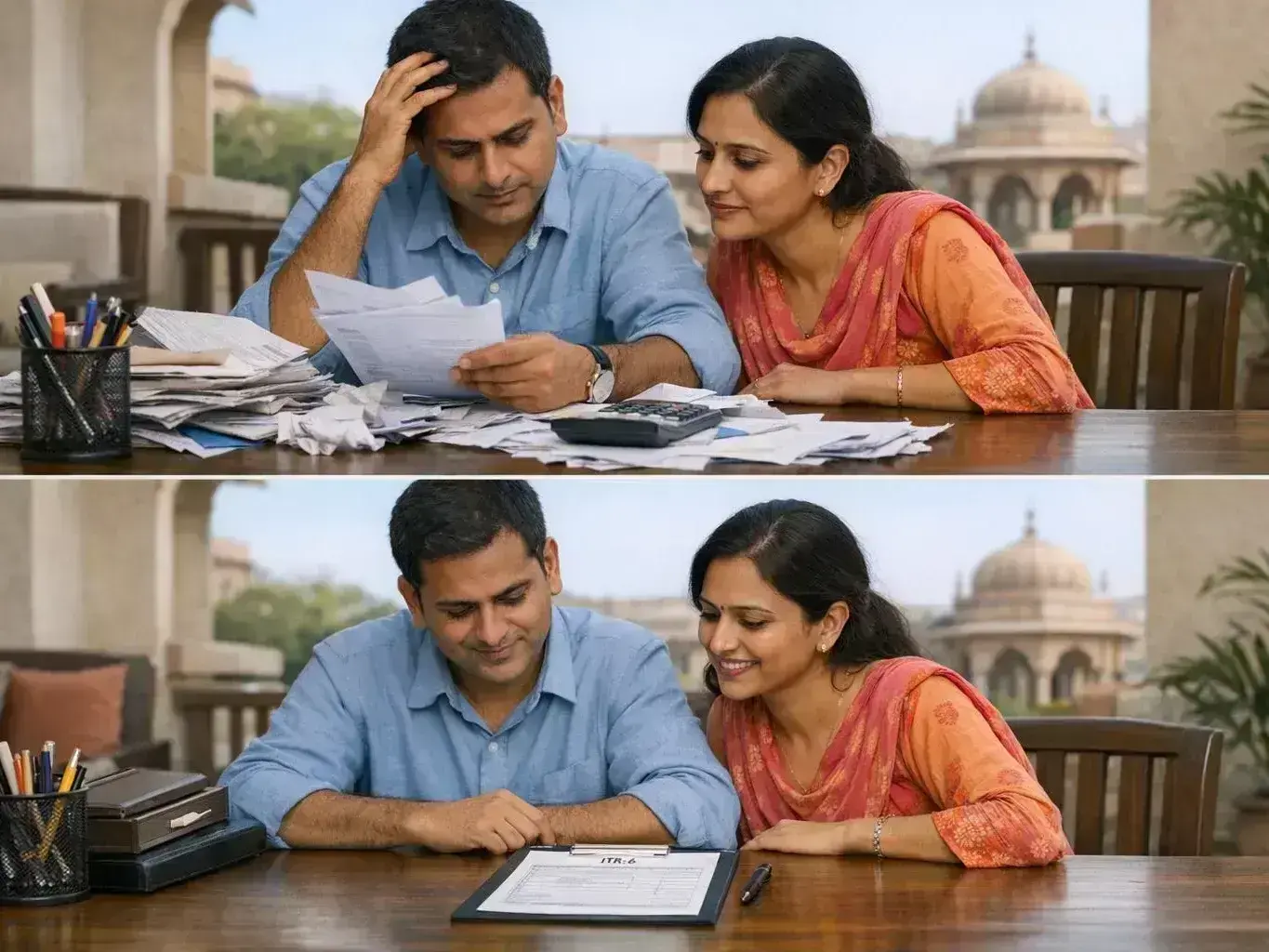
How Long Does Late ITR Filing Take After the Deadline?
Late ITR filing typically takes from a few days to several weeks after the deadline, depending on the complexity of the return, the backlog at tax authorities, and whether penalties or additional documentation are involved. Filing a late return early often helps cut the processing time.
Late ITR Filing usually moves faster when the return is simple, complete, and filed soon after the deadline. If your income tax return has many income sources, mismatched records, or missing proofs, it can take much longer.
This page explains common timelines and what slows delayed ITR submission. It also shows how to avoid needless hold-ups. We also cover how the Income Tax Department handles overdue ITR filing after submission, including document checks, penalty review, and possible tax refund delay.
Typical Timeframes for Late ITR Filing Completion
Late ITR filing duration varies by case complexity, simple filings may complete within days, average cases take weeks, and complex returns require longer processing times. Most delays come from return complexity, pending checks at the tax department, and whether records need closer review after the missed deadline.
The easiest way to understand timing is to compare the return type. A basic income tax return with salary income and clean records often moves faster. Overdue ITR filing with business income, capital gains, foreign assets, or correction requests usually takes longer. The ranges below are examples, not guarantees, because the tax queue can change.
| Project Scope | Typical Duration Range | What Usually Happens |
|---|---|---|
| Simple | A few days to about 2 weeks | Single-source income, fewer deductions, fast document matching, minimal follow-up |
| Average | About 2 to 6 weeks | Multiple entries, routine document verification, standard late filing penalty checks |
| Complex | Several weeks or longer | Business income, capital gains, mismatches, extra review, revised ITR filing or refund scrutiny |
In simple terms, filing an overdue return early usually helps. Backlogs often grow after the deadline, so even a simple case can take longer than the same return filed on time through normal online filing channels.
Simple vs Complex Late ITR Filings
Simple ITR filing usually means salary income, standard deductions, small bank interest, and matching records. In those cases, the return is easier to check, so processing is often quicker, and refund work may start sooner.
Complex ITR filing includes self-employment, business accounts, capital gains, many deductions, loss carry-forwards, or record gaps. A late tax return filing in this group may need more document checks and closer review.
The main difference is not just the form length. It is whether the tax filing tells a clear, steady story. If records are complete and figures match. Even a bigger return can move well. If numbers do not match, processing can slow down fast.
Key Factors Influencing Late ITR Filing Duration
Several factors affect how long late ITR filing takes, including filing complexity, backlog at tax offices, accuracy of submitted documents, and whether penalties apply. Most timing issues come from how easy the return is to verify. Not just from filing after the deadline.
These points also show why expert review helps. Our team often sees delayed tax filing move better after a careful check. Errors found early do not turn into later notices or long pauses.
Impact of Penalties on Filing Time
A penalty does not always cause a major delay, but it can add time. When late filing charges or related interest apply. The system must show the right amount before the return is treated as compliant.
If the payment status is unclear, the timeline can grow. The same happens if the return needs correction after submission. That is why many taxpayers do better when penalty details are checked before final filing.
Sometimes the real delay is not the fee. It is the extra review that comes with an overdue return. Clear records and quick action usually keep that impact smaller.
How to Expedite Your Late ITR Filing Process?
Timely submission of accurate documents and using professional online ITR filing help can significantly reduce the time taken for late ITR filing. The fastest cases are often filed early, with complete records, correct bank details, and no avoidable mismatches.
Many people file late and still finish the process smoothly. Good preparation makes a real difference. If you need Late ITR Filing Help in India, we focus on getting the details right before submission. We can also assist with Income Tax Return Filing, missed-return support, and practical ITR Filing guidance for harder cases.
Consequences of Delayed Late ITR Filing
Delayed late filing can lead to penalties, slower refund processing, and a more complicated compliance trail. The longer an overdue return stays unresolved. The harder it often becomes to close.
The most direct result is the late filing penalty or related interest. Depending on timing and return type. Even when the amount is manageable, the compliance gap can still increase review time. A delayed ITR submission may also slow your refund claim. Especially if tax credits need closer matching.
Another common problem is lost time. People often wait and expect the matter to stay simple, but overdue tax filing can grow harder if records go missing or details are forgotten. That can turn a simple ITR filing into something closer to a complex ITR filing.
There can also be practical effects later. An unresolved income tax return may affect loan paperwork, financial records, or future tax filing. Old mismatches can carry forward. Filing late is often fixable, but waiting longer rarely helps.
Understanding the Process After Filing a Late ITR
After you submit a late return, the process usually moves through acknowledgement, basic validation, document matching, and possible assessment review. The exact time depends on whether the return clears these checks cleanly and whether the Income Tax Department finds any mismatch.
Once filed, the system records the submission and starts checking identity details, income entries, tax credits, and payment information. If the records match, the case may move ahead with little manual review. If they do not, the return can pause for clarification, correction, or deeper review.
Where a refund is due, refund processing often starts only after the return passes key checks. That is why a return can be filed successfully and still take longer to finish. If you want support before or after filing, our team can review the paperwork and help you move the process along with fewer surprises. Contact our team.
Questions About ITR Filing in India
Related Resources
Benefits of Online ITR Filing Help for Freelancers and Small Businesses
benefits of online ITR filing help for freelancers and small business
Compared ToCA, Online Platform, or Self-Filing, Which ITR Option Is Right for You?
CA vs online ITR filing vs self filing India
How It WorksHow expert Online ITR Filing Works From Documents to Verification
online ITR filing process with tax consultant India
What's RequiredThe ITR Filing Checklist, Documents to Gather Before You Start
documents required for ITR filing in India